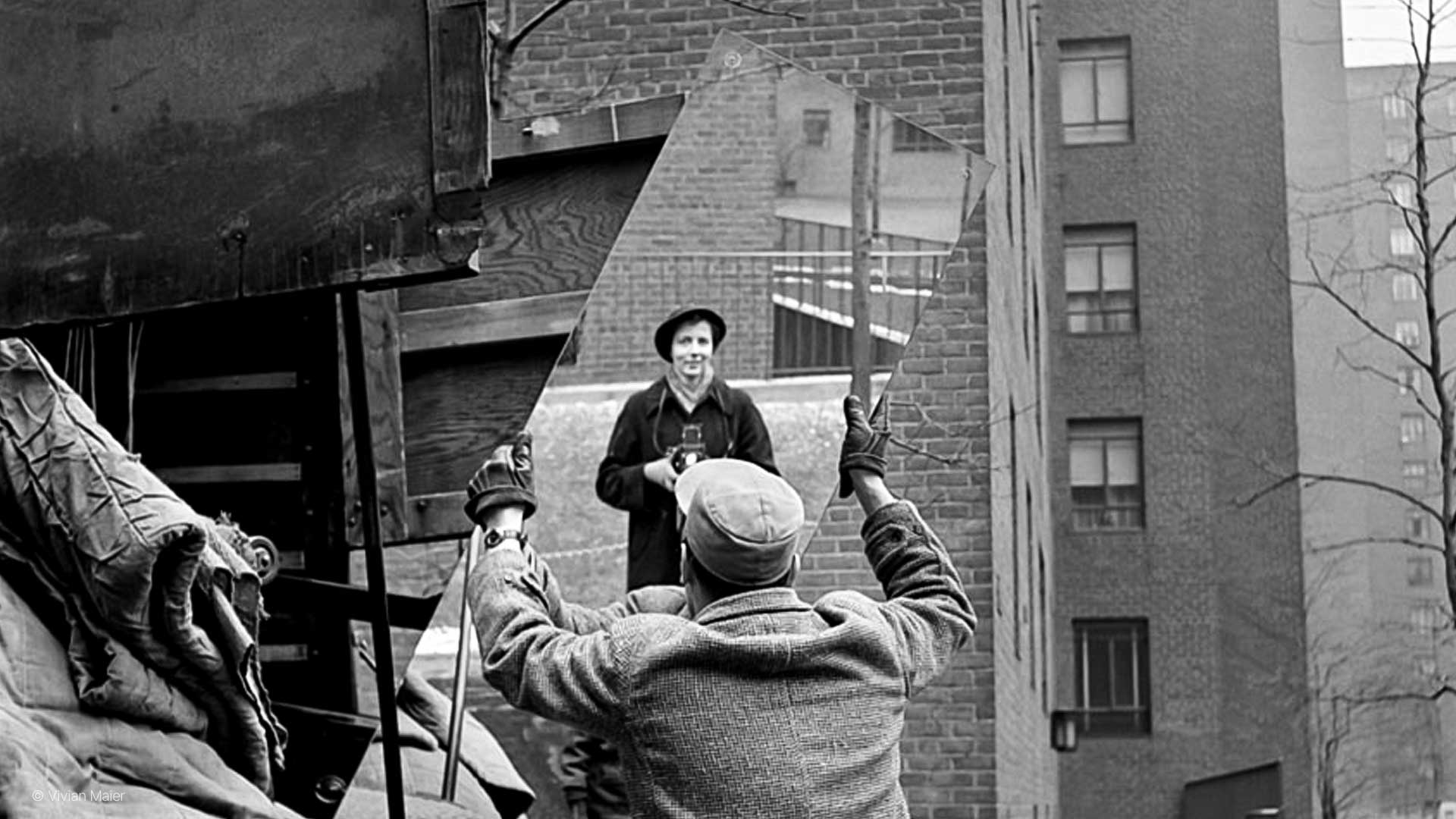
“I suppose nothing should last forever. We must make room for other people. It’s a wheel. You get on, you go to the end. And someone else gets the same opportunity to go to the end. And so on. And someone else takes their place.”
—Vivian Maier—
We dedicate the first article of “Scattered Notes, But Not Too Much” to photography, and in particular, to a woman who changed everything: who invented, who told stories, who suffered, and who left her mark.
“I suppose nothing should last forever. We must make room for other people. It’s a wheel. You get on, you go to the end. And someone else gets the same opportunity to go to the end. And so on. And someone else takes their place.”
—Vivian Maier—
Photography, in its deepest essence, is not just a technical act, it’s an alchemy between light and time. It’s the only art that can prove that a moment —fleeting and unrepeatable by nature— truly existed.
The word itself, from the Greek phōs (light) and graphía (writing), defines this process: writing with light.
But if technique is the means, the artistic and poetic dimension is the soul. Photography sheds the need to reproduce reality with scientific accuracy in order to embrace the subjective vision of its creator. It becomes a bridge between the inner eye of the photographer and the outer world, transforming a mundane sidewalk, an unknown face, or a play of shadows into a narrative that resonates with universal emotion.
In a way, it’s the art of choosing what to save from the relentless flow of existence.
Vivian Dorothy Maier was one of the most remarkable photographers of the twentieth century, even though, in life, she was almost entirely invisible.
She was born in New York on February 1st, 1926, to a French mother and an Austrian father, and spent part of her childhood in France. Upon returning to the United States in 1951, she led a quiet, solitary life, earning her living as a nanny and housekeeper for various wealthy families, first in New York, and later, from 1956, in Chicago.
Her work as a nanny paid the bills, but her true vocation —what consumed nearly every spare moment— was photography.
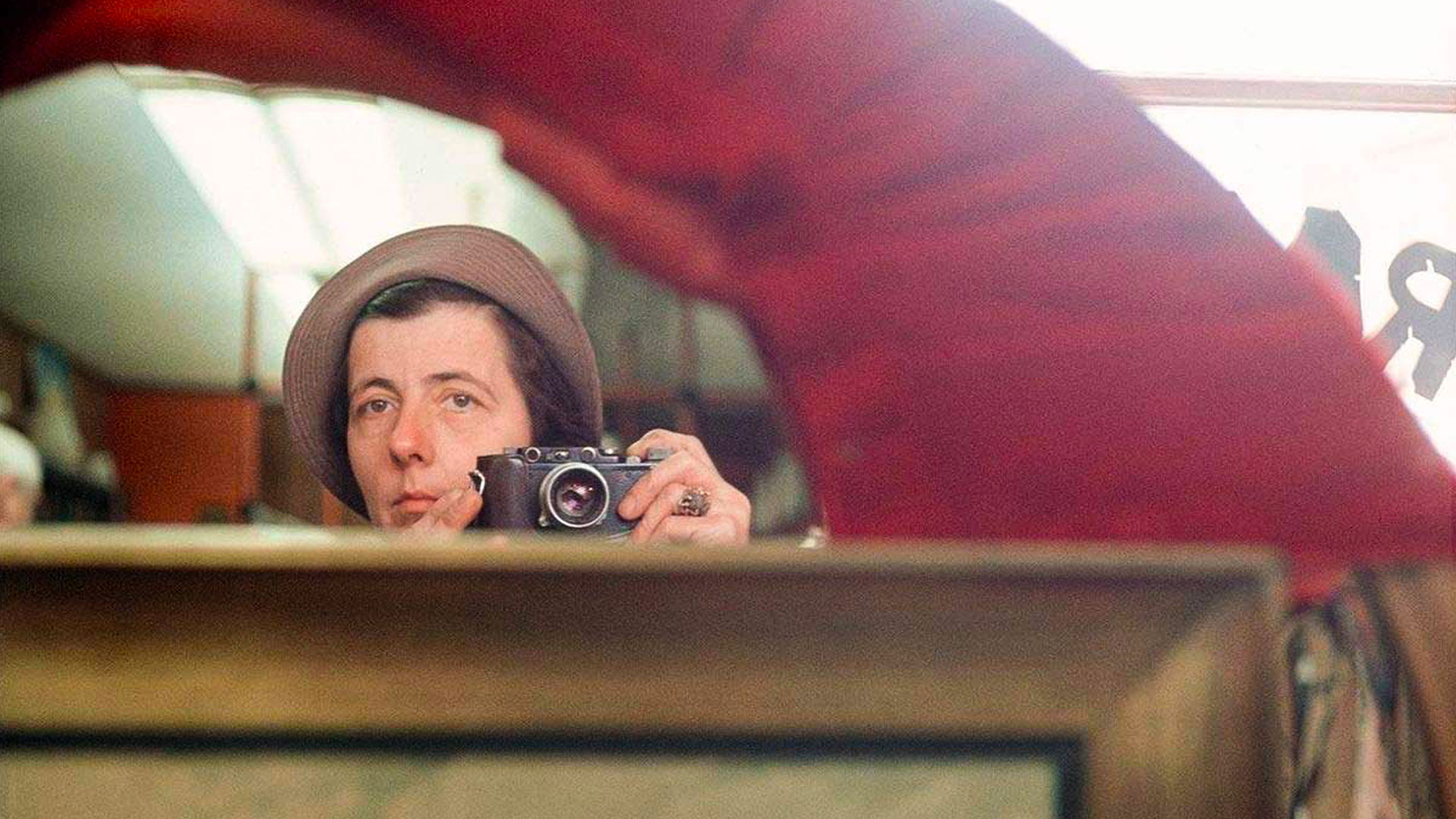
Armed first with her beloved Rolleiflex (a waist-level camera that allowed her to shoot discreetly, avoiding direct eye contact with her subjects) and later a Leica, Vivian Maier embarked on an obsessive, solitary, and meticulous documentation of American street life and beyond.
Her archive is estimated at over 150,000 negatives, thousands of prints, and numerous Super 8 films, the vast majority of which were never developed or shown to anyone.

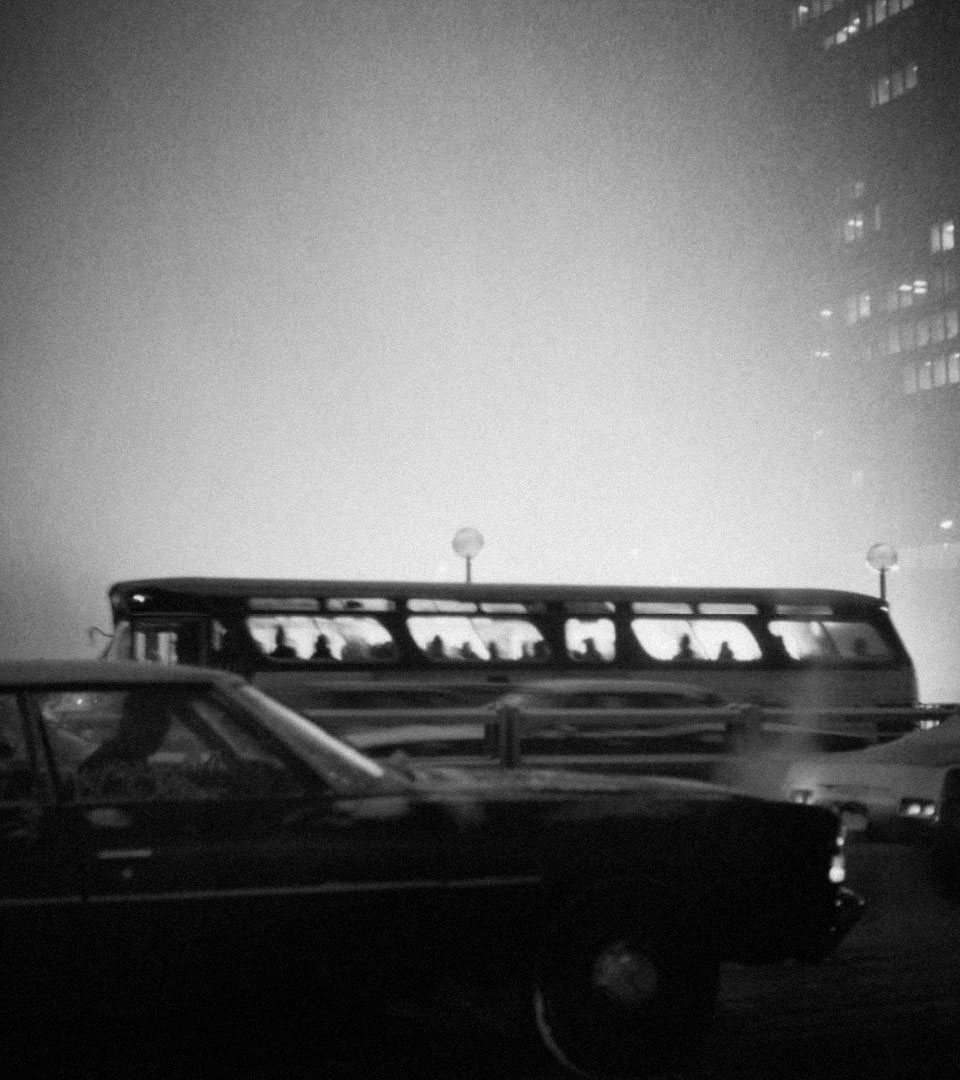
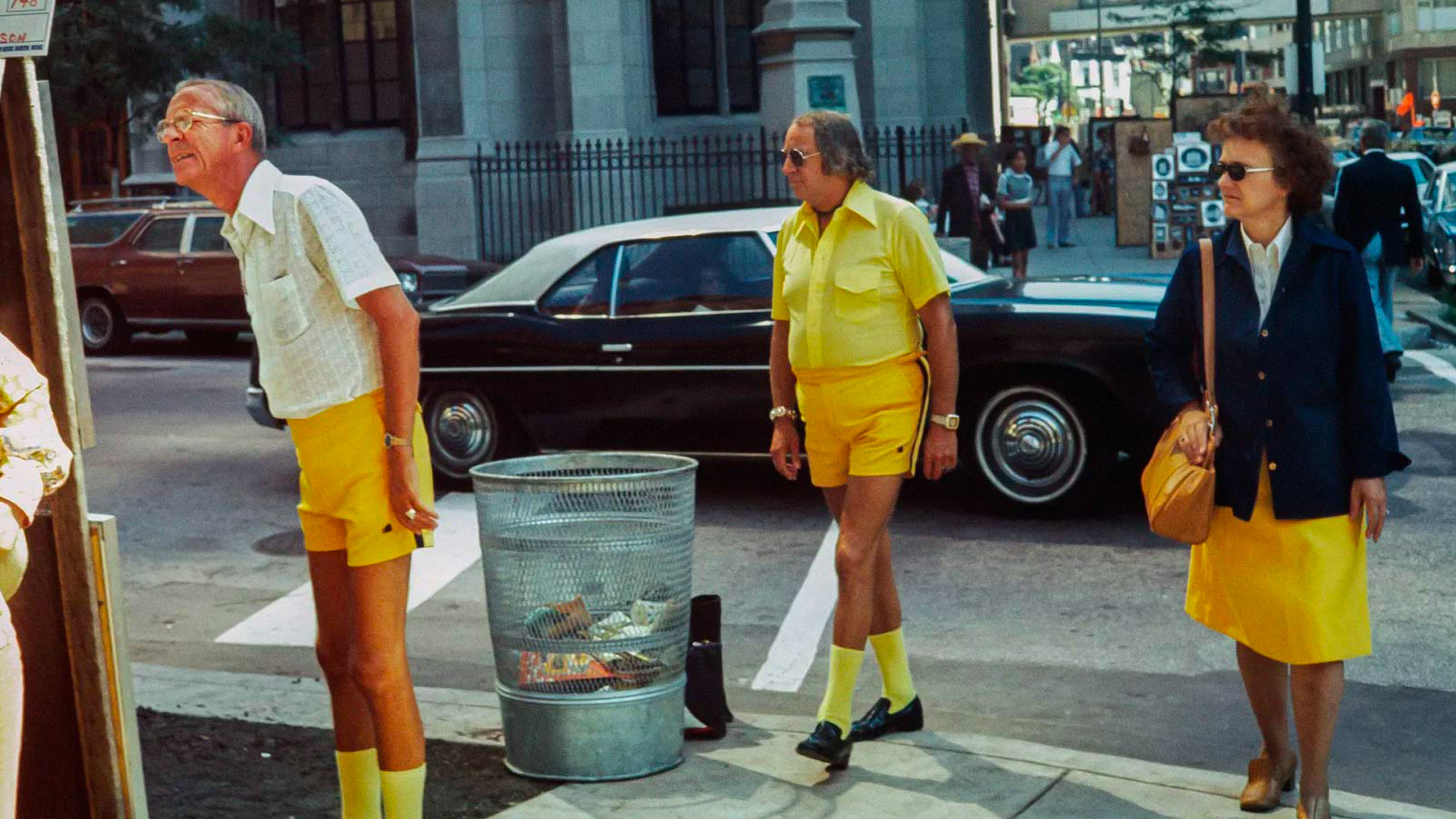
Her images are often described as “monuments to everyday life,” forming a kind of emotional chronicle of urban society from the postwar years through the 1980s. Vivian moved quietly, guided by sharp curiosity, capturing raw reality, subtle irony, the spontaneous joy of children, and the dignity of those living at society’s margins.
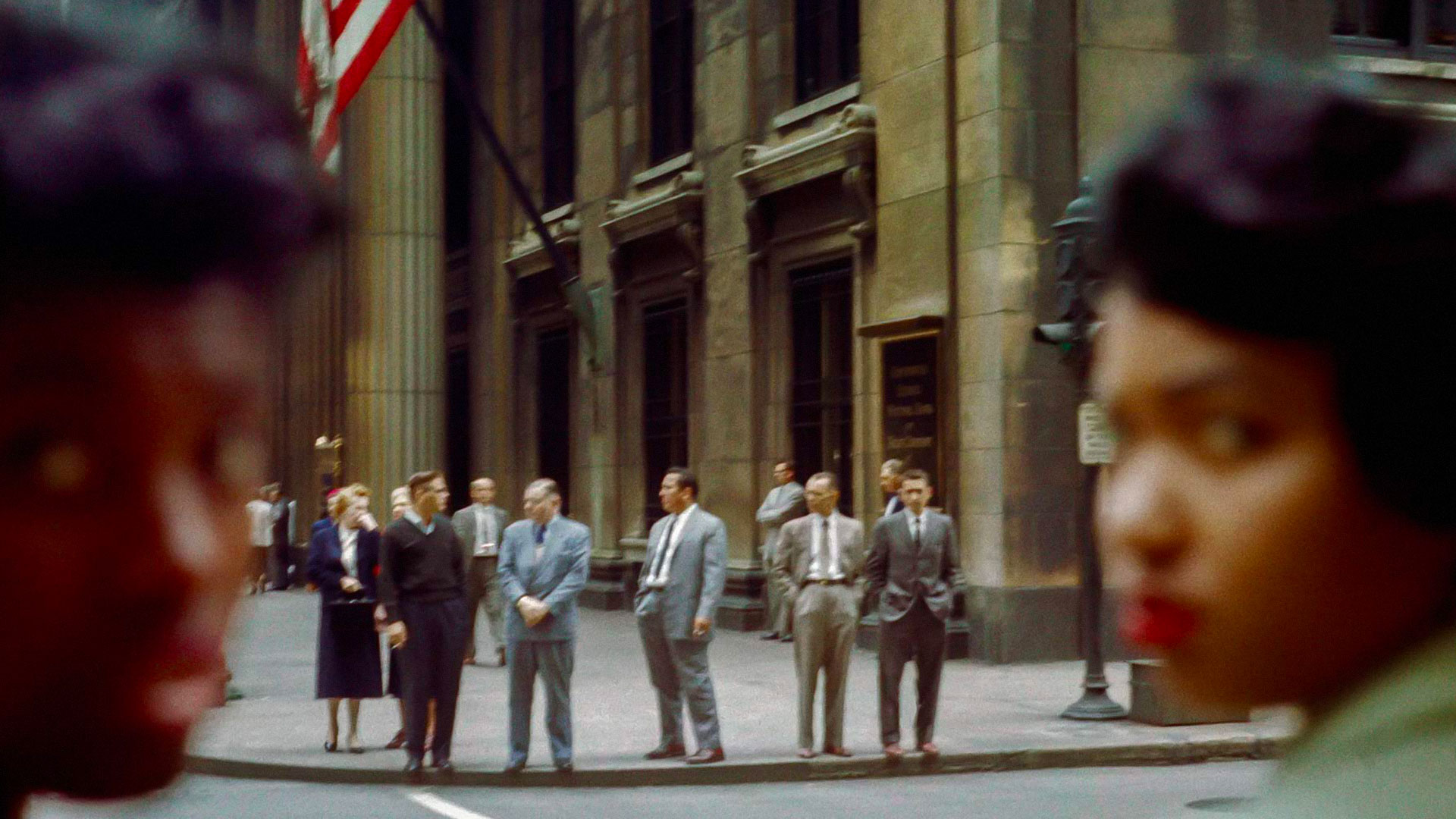
Her photographs are marked by intense gazes and precise compositions that reveal deep formal awareness and astonishing visual discipline.
What stands out most in Vivian Maier’s work is a kind of innate spontaneity and, in many images, a gentle, melancholy poetry. It’s remarkable how her photographs seem to reveal not only the soul of the subject but also that of the photographer herself, even when the subjects are inanimate objects. Faces, moments, close-ups, even blurred images or cars framed by trees, they all breathe, they all move you.
Few photographers have managed to convey so much through a single image, especially considering that Maier worked almost entirely unseen, photographing people who often never realized they’d been captured.
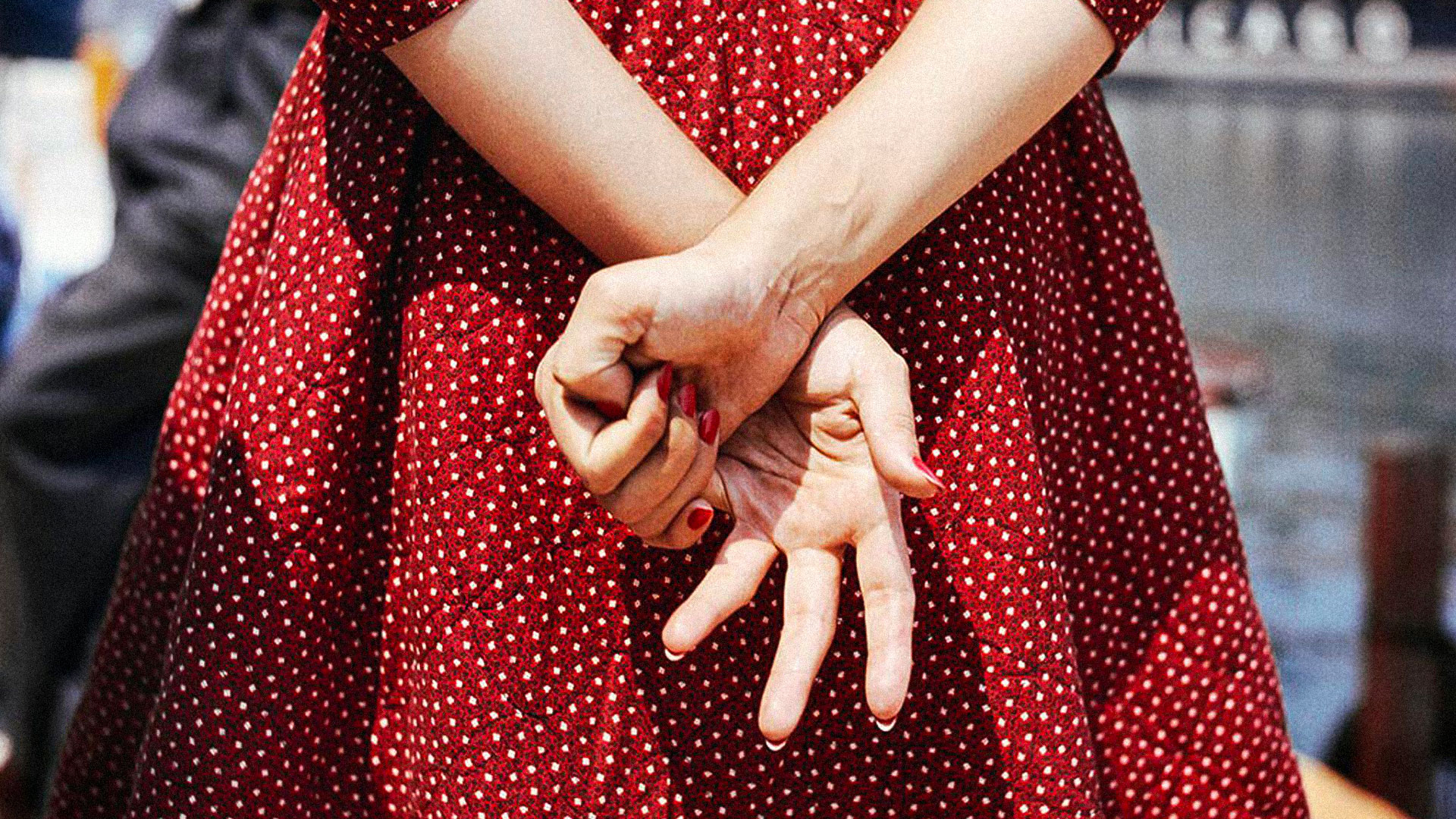
Vivian Maier’s life was marked by eccentricities that later fueled her myth.
She rarely developed her film rolls. Frequently short on money, she seemed to consider the act of shooting itself as a complete creative process.
She compulsively collected old newspapers, receipts, audio recordings, and of course, boxes upon boxes of undeveloped film, as if trying to catalog reality itself.
Those who knew her described her as enigmatic, austere, with a strong French accent — a woman who shared almost nothing of her private or professional life.
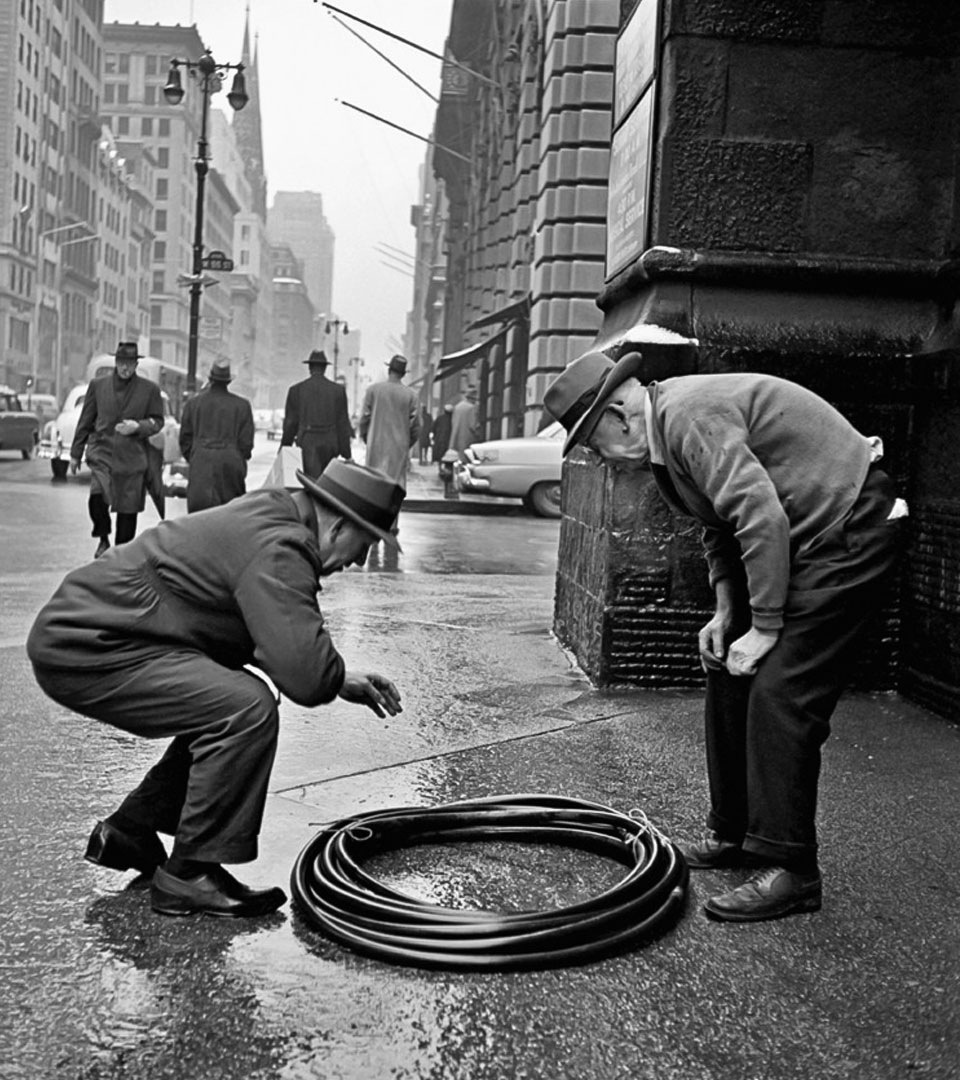

The story of how her work was discovered in 2007 could have come straight from a mystery novel.
Facing financial difficulties, her storage boxes —containing her entire archive— were auctioned off in a Chicago warehouse.
That year, an amateur historian named John Maloof bought part of the lot for around $380. He had been looking for old photographs of Chicago. When he began developing the negatives, he was astonished by the extraordinary quality of the work.
After extensive research and the digitalization of part of the archive, Maloof realized he had uncovered one of the greatest photographers of the twentieth century.
He tried to track her down, but Vivian Maier had passed away in 2009, unaware of the fame and admiration her work would soon inspire.
The 2013 documentary Finding Vivian Maier, directed by Maloof himself, finally brought the “nanny photographer” into the global spotlight, securing her place as a posthumously recognized giant of photography.
A fascinating, mysterious, moving life, and above all, an invisible one.