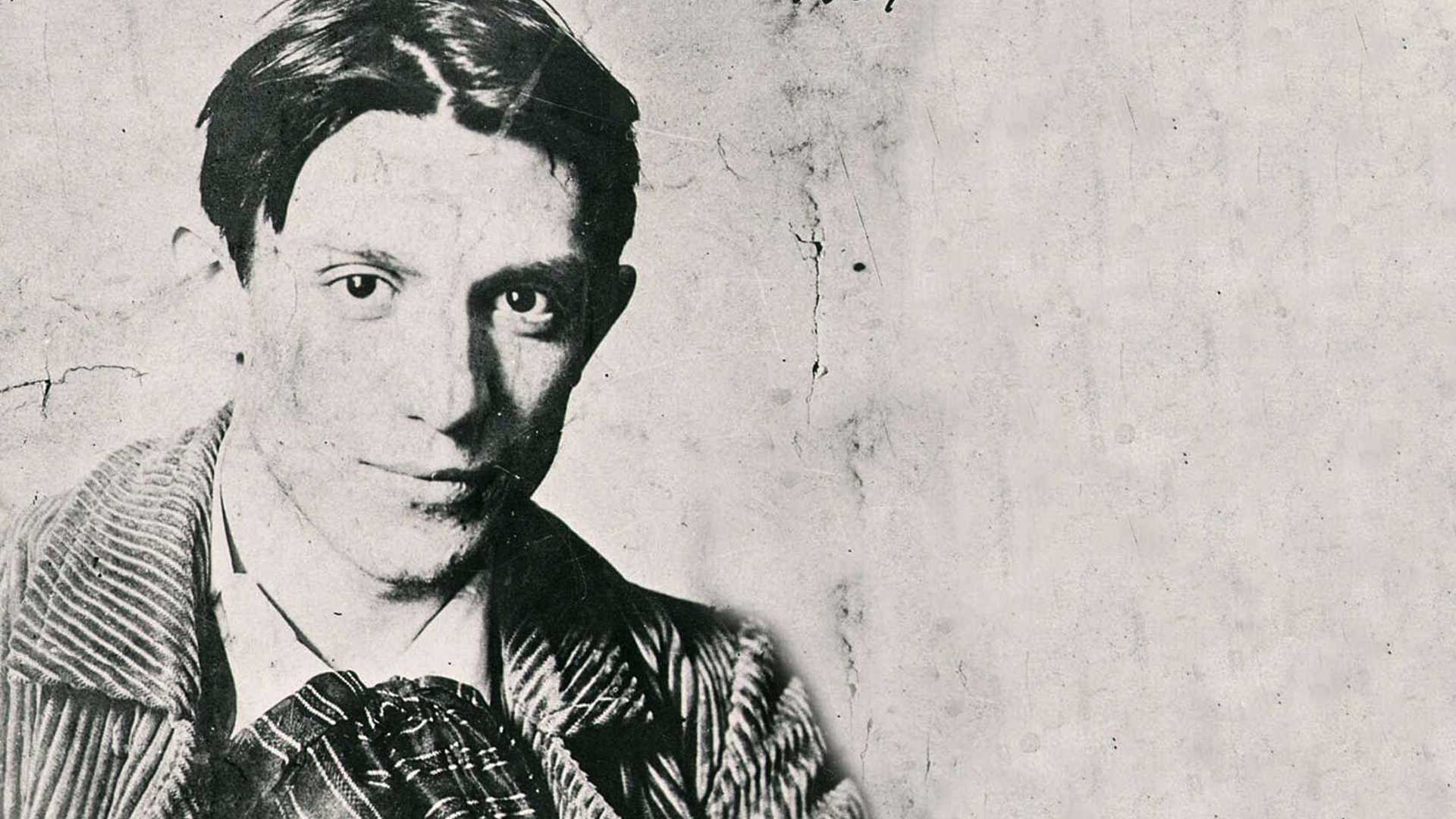
Picasso: the beauty that breaks mirrors.

by Reo Aromi

Talking about beauty in Pablo Picasso’s paintings is like trying to describe thunder with a whisper. The Spanish genius did not paint beauty: he deconstructed it, dissected it, provoked it until it exploded.

Amid broken lines, misaligned eyes, and impossible perspectives, there lies one of the most profound love letters to human beauty that art has ever produced.

Picasso was born in Málaga in 1881, the son of a painter and a mother who prophesied: “You will become a great artist, or nothing.” He did not become “nothing.” By the age of twenty, he was already the prodigy in Paris who was reshaping painting forever. First came the Blue Period, melancholic and introspective, then the Rose Period, tender and theatrical. And finally, the cry of modernity: Cubism. When, in 1907, he painted Les Demoiselles d’Avignon, the world was shocked. Goodbye harmony, goodbye Renaissance perspective: the figures are fractured, overturned, rearranged into a new visual logic. It was as if Picasso had said: I don’t just want to look at beauty, I want to understand it from within.
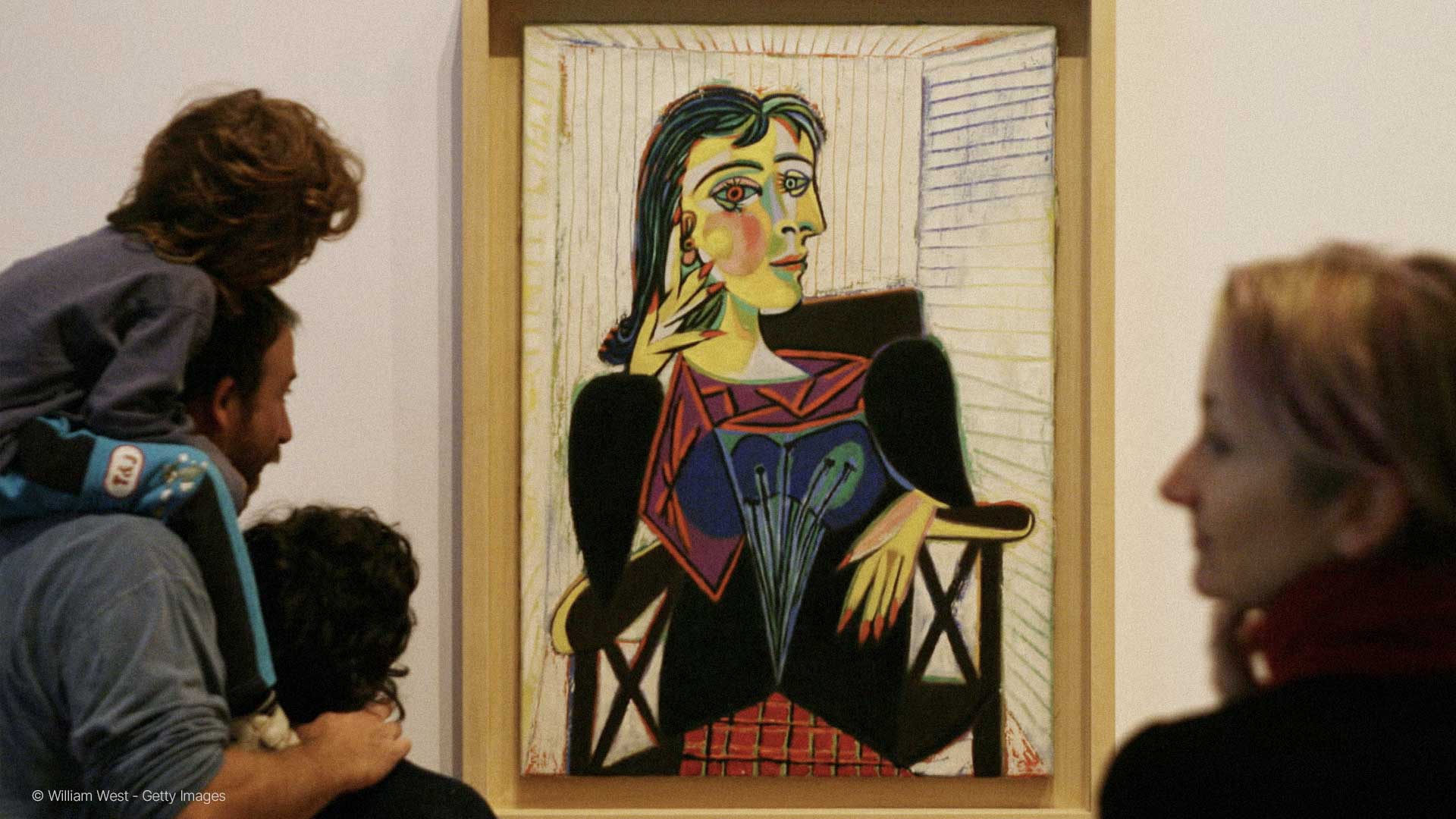
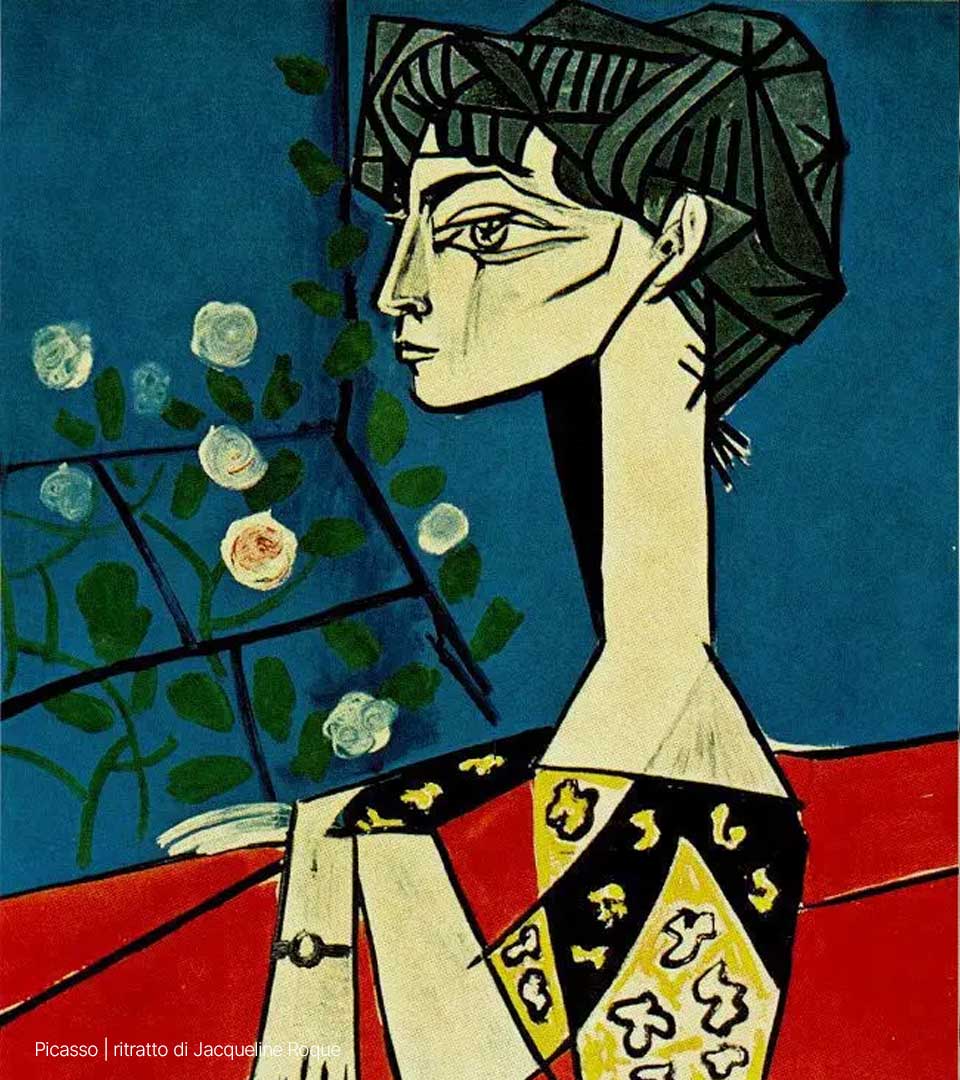
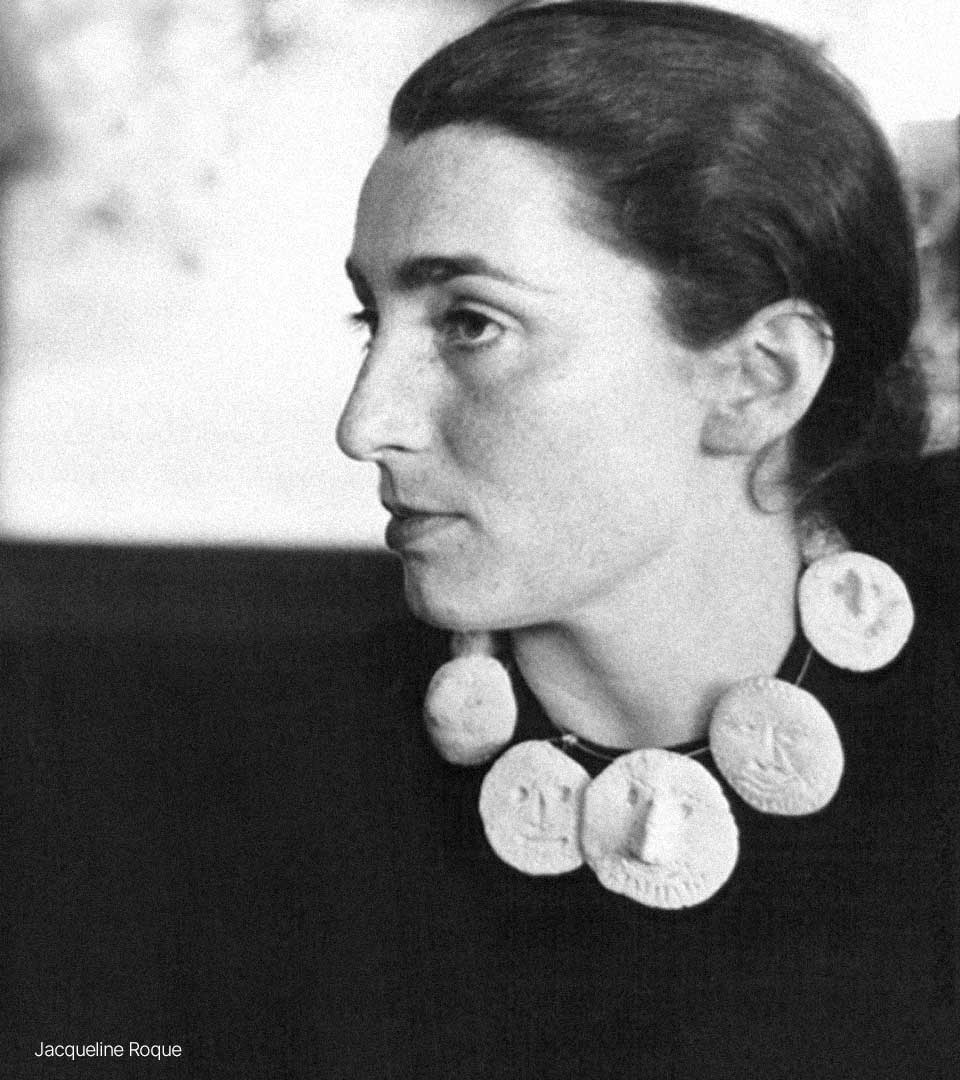
Indeed, his is an inner beauty that bursts outward, made of intuition, desire, anger, and irony. Every female face, from Dora Maar to Jacqueline Roque, becomes an X-ray of his emotional state. They are not portraits, they are pictorial confessions. He does not aim to beautify, but to reveal: tenderness, jealousy, passion, fear.

Some people look at his paintings and see only disorder. But the truth is that Picasso was painting the movement of thought, the anatomy of emotion. Behind the fractured forms lies the same tension we all feel inside: trying to hold together the pieces of our own beauty, even when life scatters them.


And this is where it touches us too: the space in which we learn to look inward, to find harmony in our contrasts. Picasso teaches us that beauty is not symmetry, but energy. Beauty is the courage to show ourselves incomplete, true, vibrant. Always.

Because authentic beauty is never tame.

It is a gesture of freedom. It is saying: “I don’t care if you see me crooked, I feel alive.”

In Picasso’s paintings, beauty does not pose: it breathes, it twists, it laughs at itself. And it is precisely there, in that disordered, brilliant laughter, that we find a surprising mirror of our own beauty.

Author: Reo Aromi