Each of us today has our own idea of beauty, even though, in every era, certain standards emerge that define what is considered beautiful. Beauty can lie in proportions, colours, scents, a perfect face, or in its imperfections. Some find it in a sunset, others in a scene from a horror film.
Many philosophers have tried to define it.
For Socrates, beauty was what is useful, what serves a purpose. Aristotle linked it to harmony, order, and proportion. The ancient Greeks spoke of kalokagathìa, the union of beauty and goodness: a balance between outer appearance (kalòs) and inner moral virtue (agathòs).
For Saint Augustine, beauty was connected to God, the supreme source of order and perfection. Kant, on the other hand, believed that beauty is that which pleases universally and without interest, reflecting a “purposiveness without purpose.” Baudelaire described it as an ambiguous force —divine and infernal— capable of bringing both light and madness, joy and death.
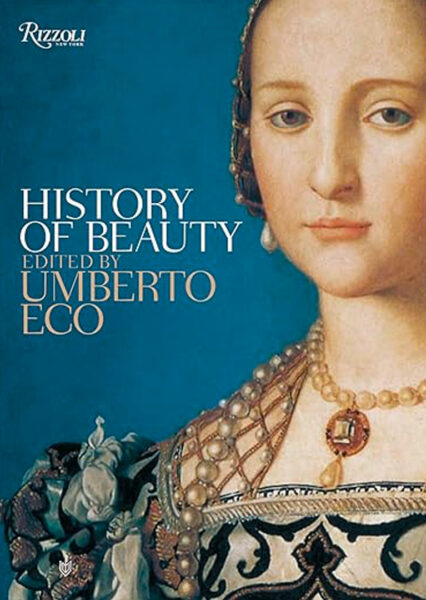
Finally, Umberto Eco offered a more realistic view: “We speak of beauty when we enjoy something for what it is, independently of possessing it.”
In short, for the ancient philosophers, beauty was an objective value, bound to harmony and goodness. With Kant, it became a subjective experience, a universal and disinterested judgment of taste. Writers and poets like Baudelaire saw it as an inner force, an emotional power that transcends pure aesthetics.