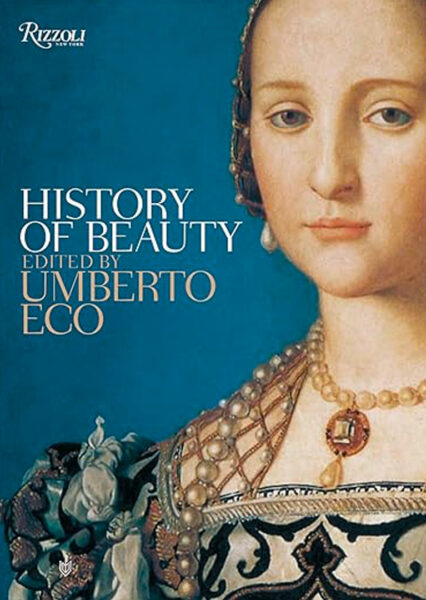
Beauty: a subjective–objective concept.

by Reo Aromi

Defining beauty in universal terms is nearly impossible, as it is always bound to its cultural, historical, and personal context. Perhaps one workable definition could be: “Beauty is the experience of pleasure, wonder, or meaning that arises when we encounter something that resonates with our values, emotions, or senses.”

This definition, however, is far from absolute, what one person finds beautiful may leave another completely indifferent. If you think about it, beauty depends heavily on what you’ve lived, on the (often unconscious) education you received from your parents. In many ways, beauty is taught before it is felt: we are educated to recognise what is “beautiful” long before we form a personal idea of it.

Beauty is therefore mostly subjective, even if it can include elements perceived as objective within certain contexts. On one hand, it depends on personal taste, individual experience, and cultural background; on the other, what one culture considers beautiful, such as facial symmetry in many Western societies, may not hold the same value elsewhere.
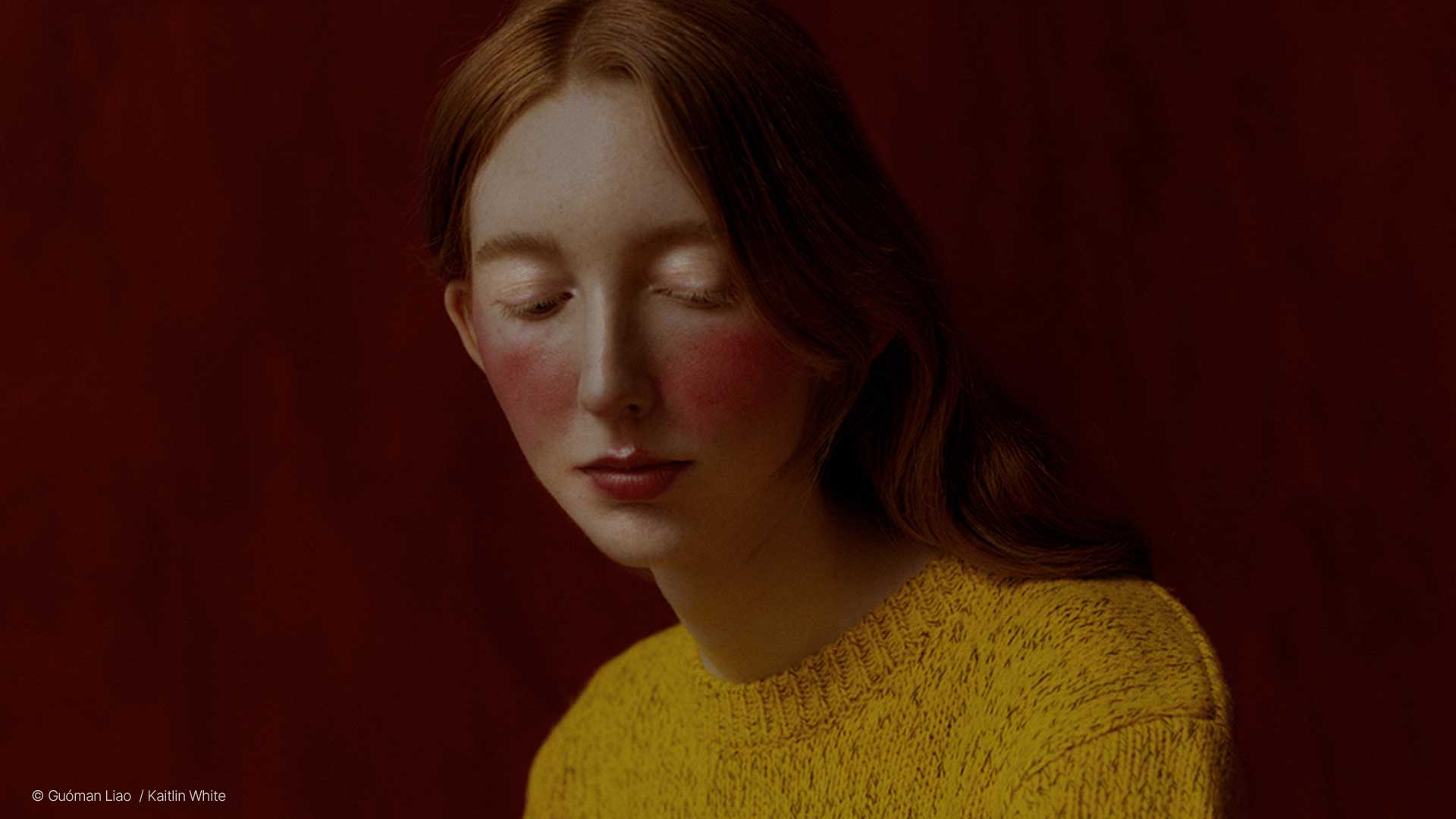

 

Objectively speaking, some aspects of beauty seem to have a universal basis: the golden ratio in art and architecture, for instance, is widely admired for its mathematical harmony. Scientific studies on facial symmetry or colour perception suggest that some aesthetic preferences may have biological roots. Yet even these so-called “objective” elements are filtered through personal interpretation, making beauty largely a subjective phenomenon, one that nonetheless contains shared features that feel universal.

If we compare, for example, the concept of beauty in modern Western culture (Europe and the United States) with that of traditional Māori culture in New Zealand, we notice striking differences. In the West, beauty is often superficial —focused on appearance and standardised ideals promoted by the media— while in Māori tradition, beauty is symbolic, rooted in identity, spirituality, and cultural meaning, as seen in the tā moko tattoos that tell each individual’s life story.


Author: Reo Aromi

Photo by © Guóman Liao / Kaitlin White