Beauty is a matter of balance. But only up to a point.

by Reo Aromi

For centuries, humanity has tried to give beauty a formula, to capture the magic of perfect proportions. From Pythagoras’ calculations to Leonardo’s golden section, we’ve been trying to explain why a face draws us in, or a shape simply feels right.

The more science tries to measure it, the more beauty seems to slip away.

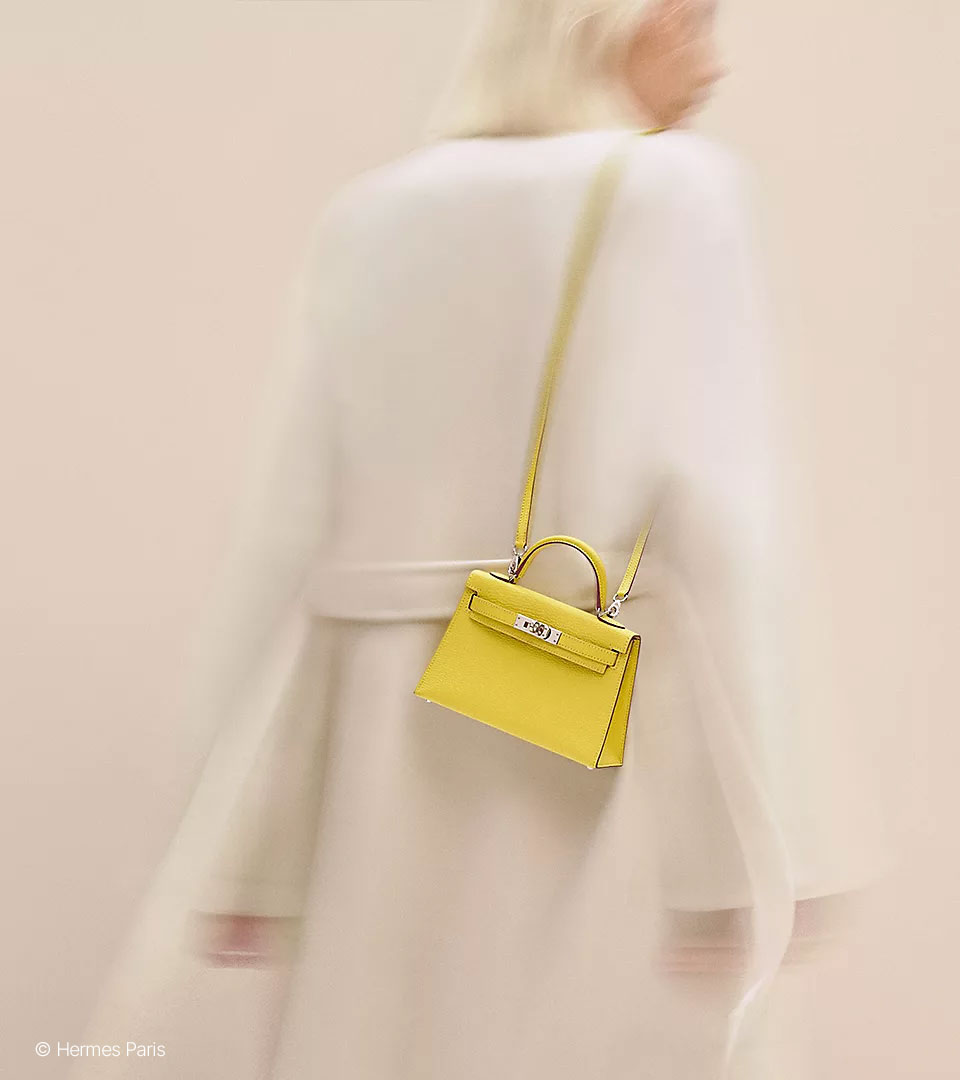
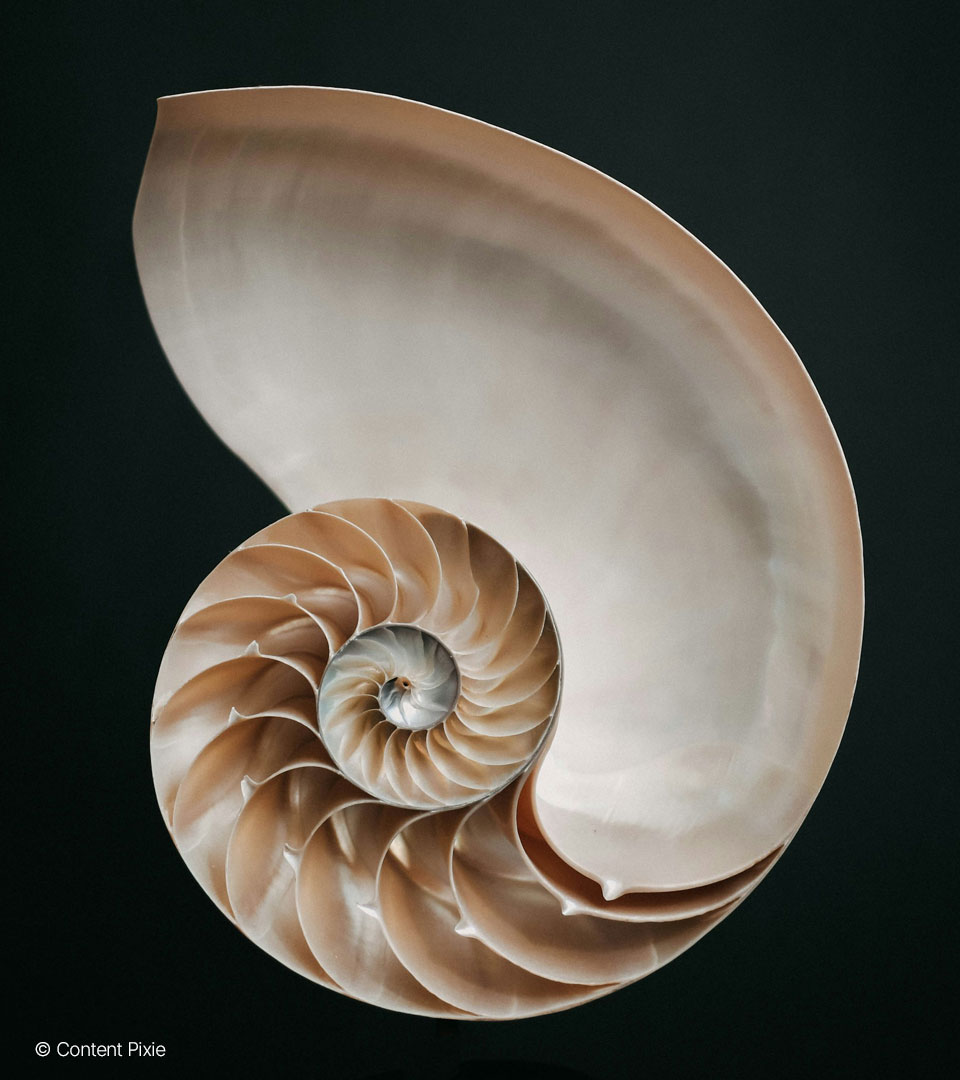
The famous ratio 1.618 —the mythical golden number— is fascinating, of course. It hides in the spirals of seashells, in Greek temples, in the faces of ancient statues, even in Hermès’ Kelly bag. Yet when researchers tried to use it as a standard for human beauty, something didn’t quite fit.

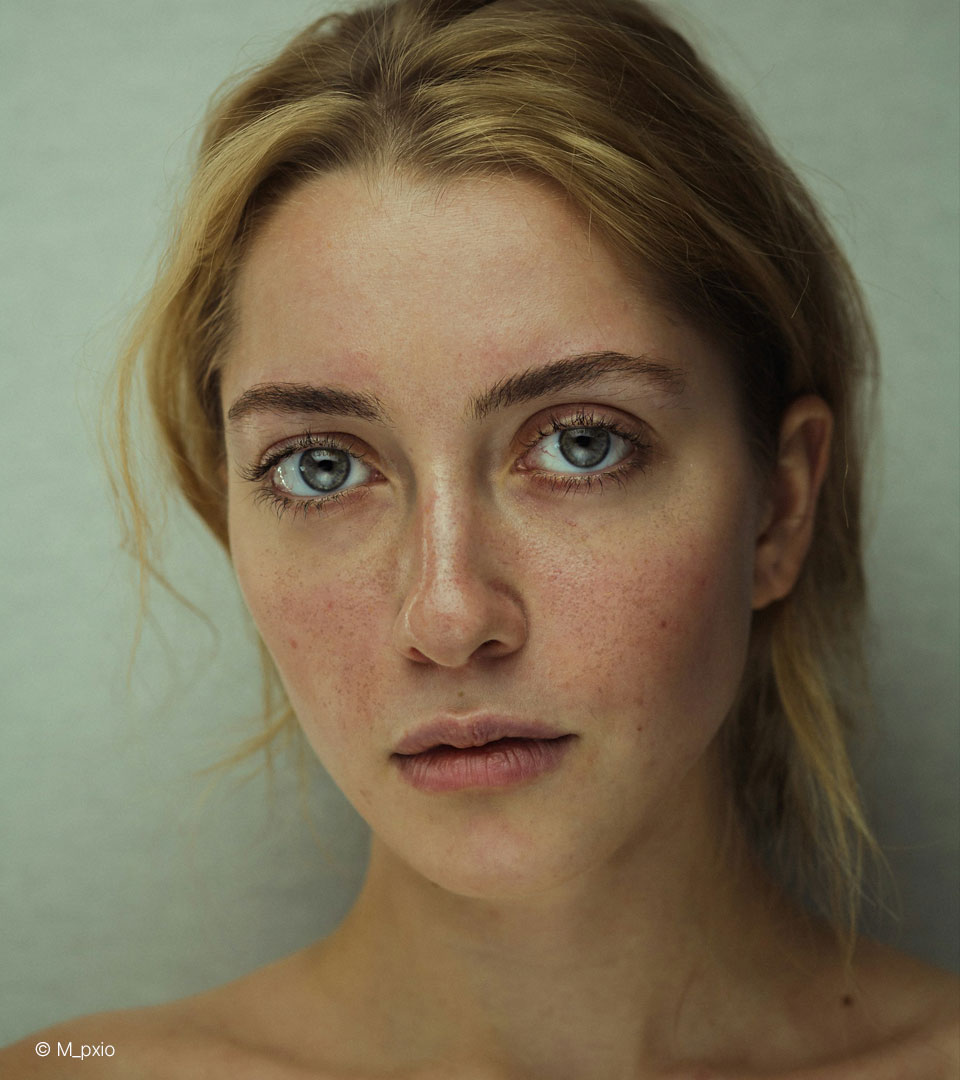
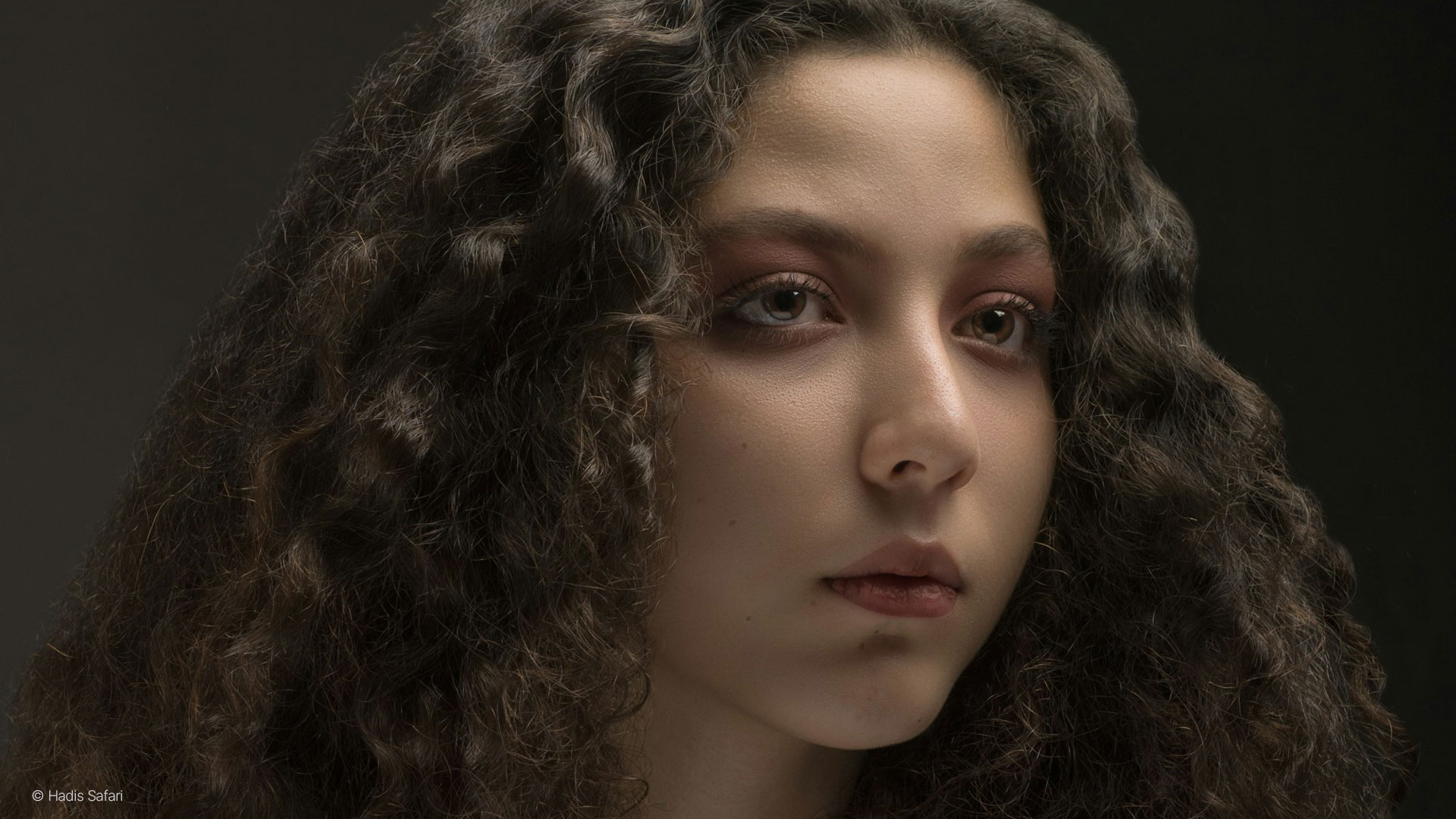
Perfectly symmetrical faces often feel oddly lifeless, beautiful, yes, but missing that spark that makes them human. As if the brain were looking for a tiny flaw to fall in love with.

In essence, beauty works like a neurological reward, a kind of primal “like,” a signal that something within us falls into alignment.

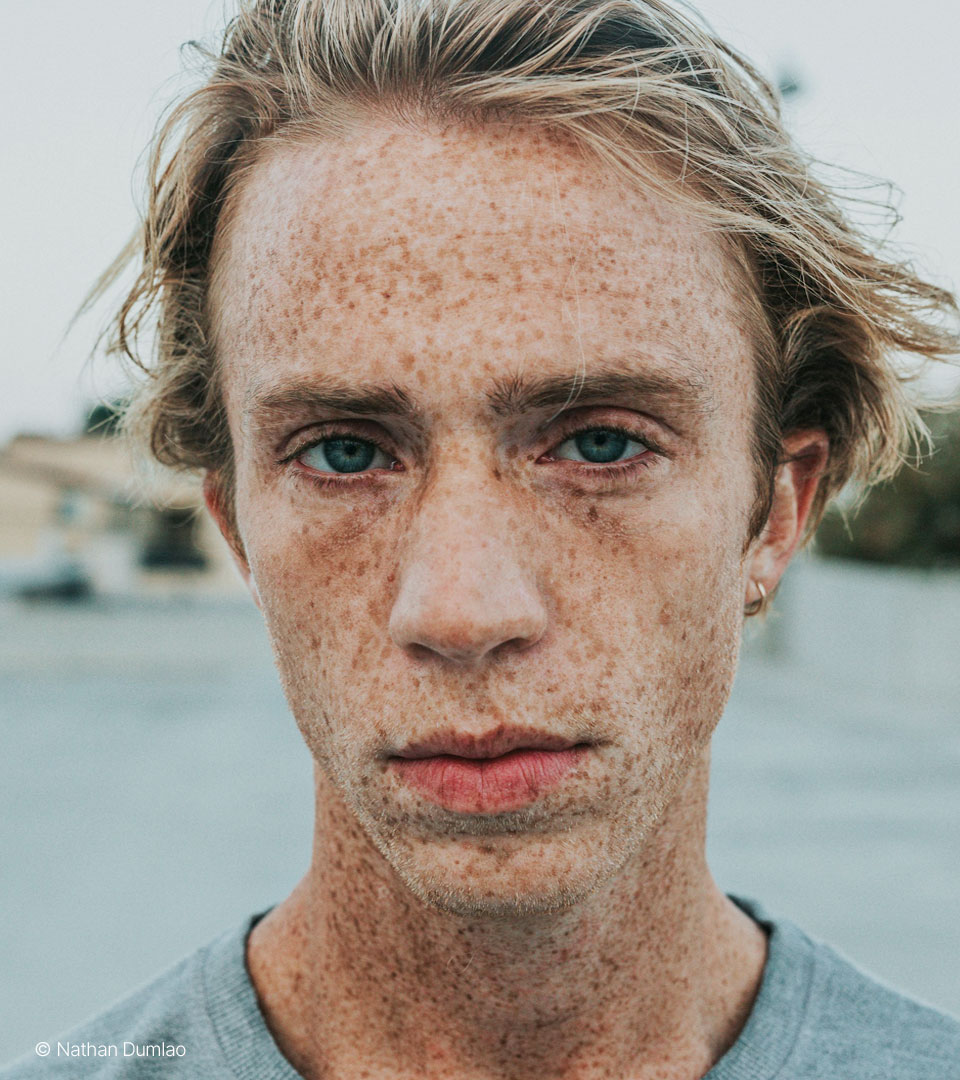
But here’s the thing: we don’t just seek perfection. Evolutionary psychology makes it clear. We tend to be drawn to “average” faces, those close to the statistical mean of a population, because they convey balance and health. And yet, all it takes is one small detail —a freckle, a dimple, a crooked smile, or a slightly raised eyebrow— to make a face unforgettable. It’s as if harmony needs a brief interruption, a touch of dissonance to make the melody unique.

The same applies to the body: the well-known waist-to-hip ratio in women, or shoulder-to-torso proportion in men, often appears in studies on physical attractiveness. But it’s not about numbers or formulas, it’s about rhythm and visual flow, proportions that sound right to the brain. Like a piece of music that moves us, not because every note is perfect, but because some of them are just slightly off.

In the end, beauty lives precisely there, between order and surprise, between geometry and chaos. It’s an imperfect balance that the brain translates into emotion, a secret algorithm that shifts for each of us.

So when someone talks about perfect measurements or divine proportions, smile. The truth is, beauty doesn’t live in numbers, it lives in that small deviation that makes us feel alive.

Because the real balance of beauty is the one that, in the end, manages to throw you just a little off balance.
Author: Reo Aromi

Photo by © Hermes Paris | Content Pixie | Hadis Safari | M_pxio | Semenay Erdoğan | Nathan Dumlao