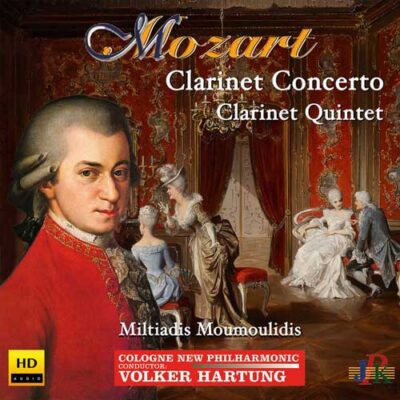
Wolfgang Amadeus Mozart — Clarinet Concerto in A major, K.

Mozart and the clarinet: when 1791 sounds like 2025.

by Andrea Volpe

Picture this: Vienna, late autumn, 1791. Mozart has just finished The Magic Flute, he’s working on the Requiem (which he will never complete), and amid this storm of genius and urgency, he writes —in just ten days— one of the most modern pieces ever conceived: the Clarinet Concerto in A major, K. 622.

Two months later, Mozart will be gone. But before that, he gifts the world a masterpiece that still resonates today like a film score from the future.

It’s his last composition for a solo instrument, written for his friend, clarinetist Anton Stadler —a brilliant, slightly reckless innovator who loved experimenting with new sounds. He would go on to develop the basset clarinet, an extended version of the traditional instrument capable of reaching deep, velvety tones that seem to hover somewhere between melancholy and dream.
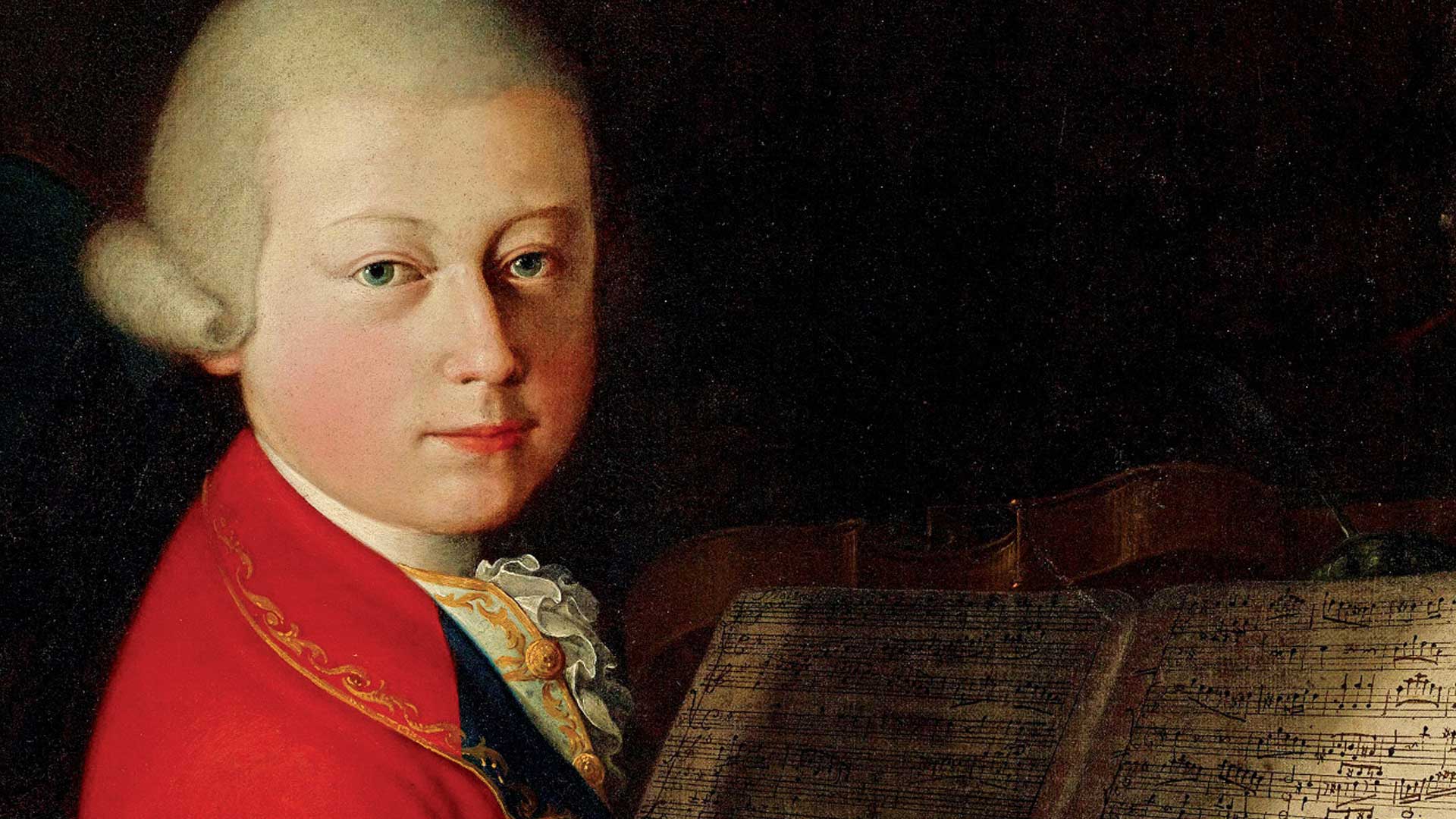
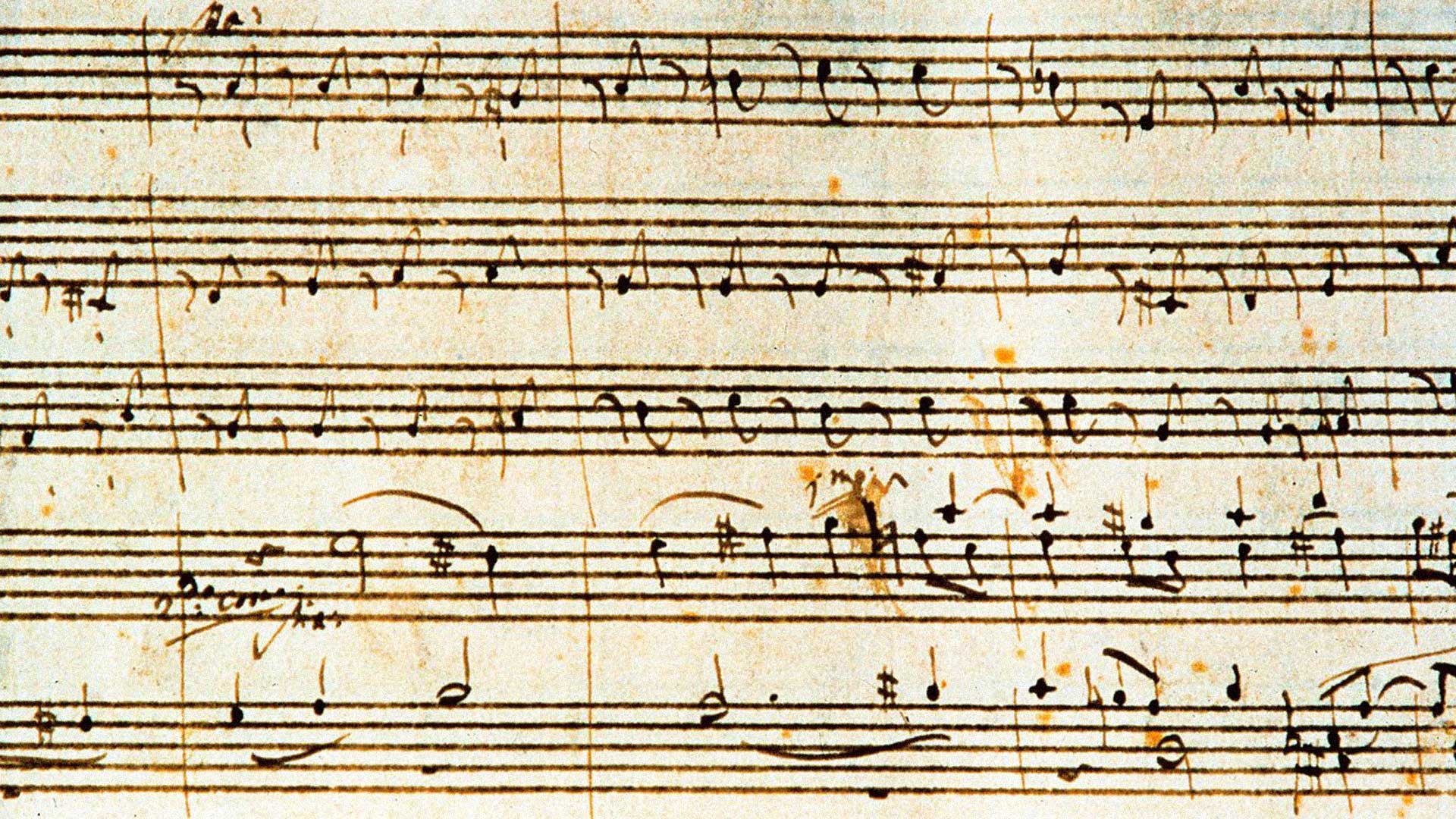
And then there’s the Adagio.
If you don’t know it —even if classical music isn’t really your thing— try listening to it. Close your eyes. You’ll find yourself elsewhere, inside a film that doesn’t exist… or maybe one that could be made today.

Because this middle movement is timeless: minimalist before minimalism, cinematic before cinema. The clarinet lines move slowly, fluidly, like thoughts drifting through air. The orchestra stays in the background, tiptoeing, cradling an emotion too intimate to speak aloud.

Even without a trained ear, you’ll hear it all in that Adagio: tenderness, melancholy, and the quiet understanding that beauty is fragile, and yet somehow endless. Mozart wrote it two months before his death, but there’s not a trace of despair in it. Only serenity, the kind that brushes against transcendence.

That’s where Mozart’s modernity lies. His harmony is classical, but his emotional language is startlingly postmodern. He already seems to know that music, when given space to breathe, can reveal the soul better than any words ever could. It’s no coincidence that directors like Sydney Pollack and Barry Levinson later used it to score the most delicate moments in their films.

Today, great clarinetists —from Sabine Meyer to Martin Fröst— are returning to the basset clarinet, reviving those deep registers that Stadler and Mozart once dreamed of together. Every note feels like a whisper between friends who never really said goodbye.

Mozart’s Clarinet Concerto in A major, K. 622 is a journey into pure beauty, the kind that exists beyond time or fashion. And if the Adagio still sounds so modern, perhaps it’s because true modernity, the kind that endures, doesn’t need special effects.

Just a clarinet, an orchestra, and a heart that still knows how to listen.

Be inspired