Paul Nicklen: let nature touch your soul.

by Reo Aromi

Paul Nicklen is not just a wildlife photographer, he’s a Canadian marine biologist who chose to turn his scientific knowledge into a visual instrument of activism.

With over twenty years of experience, much of it spent as a photographer for National Geographic, Paul Nicklen has transformed wildlife photography from simple documentation into an urgent, emotional call for conservation.

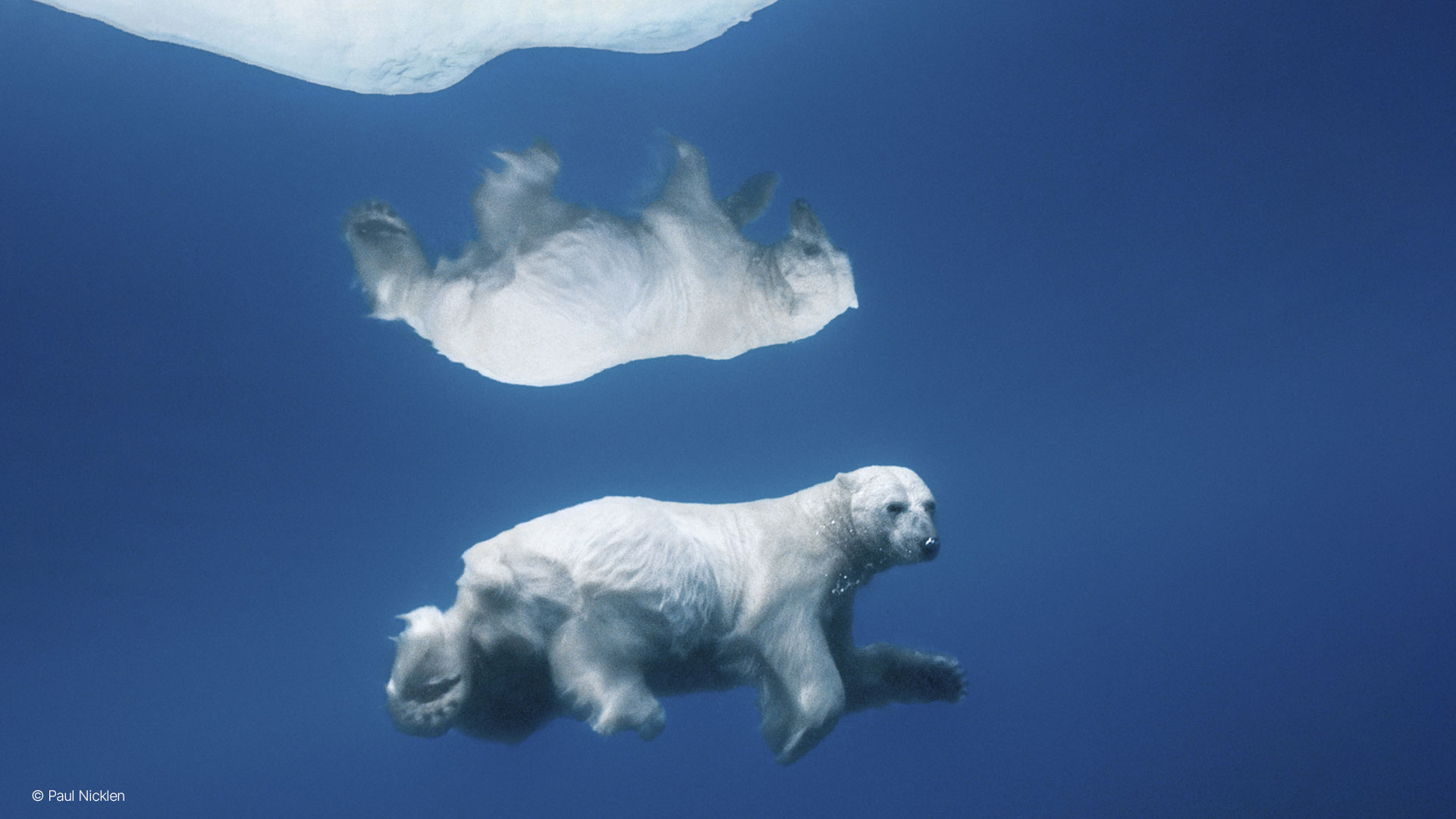
His favorite playground is the polar world, an environment he knows intimately from his childhood on Baffin Island in northern Canada, living closely with the Inuit way of life. This deep connection to ice and its inhabitants defines his entire body of work.

His mission is clear: “Translate what scientists are telling me.”

Nicklen uses his scientific training to tell stories that go beyond surface beauty, revealing the interconnectedness and vulnerability of entire ecosystems.

In 2014, together with fellow photographer and environmentalist Cristina Mittermeier, he co-founded SeaLegacy, a nonprofit aimed at sparking a global ocean conservation movement through the power of visual storytelling, leveraging social media and global partnerships to reach millions with messages of hope and awareness. His Instagram account alone has millions of followers, showing the immense resonance of his work.

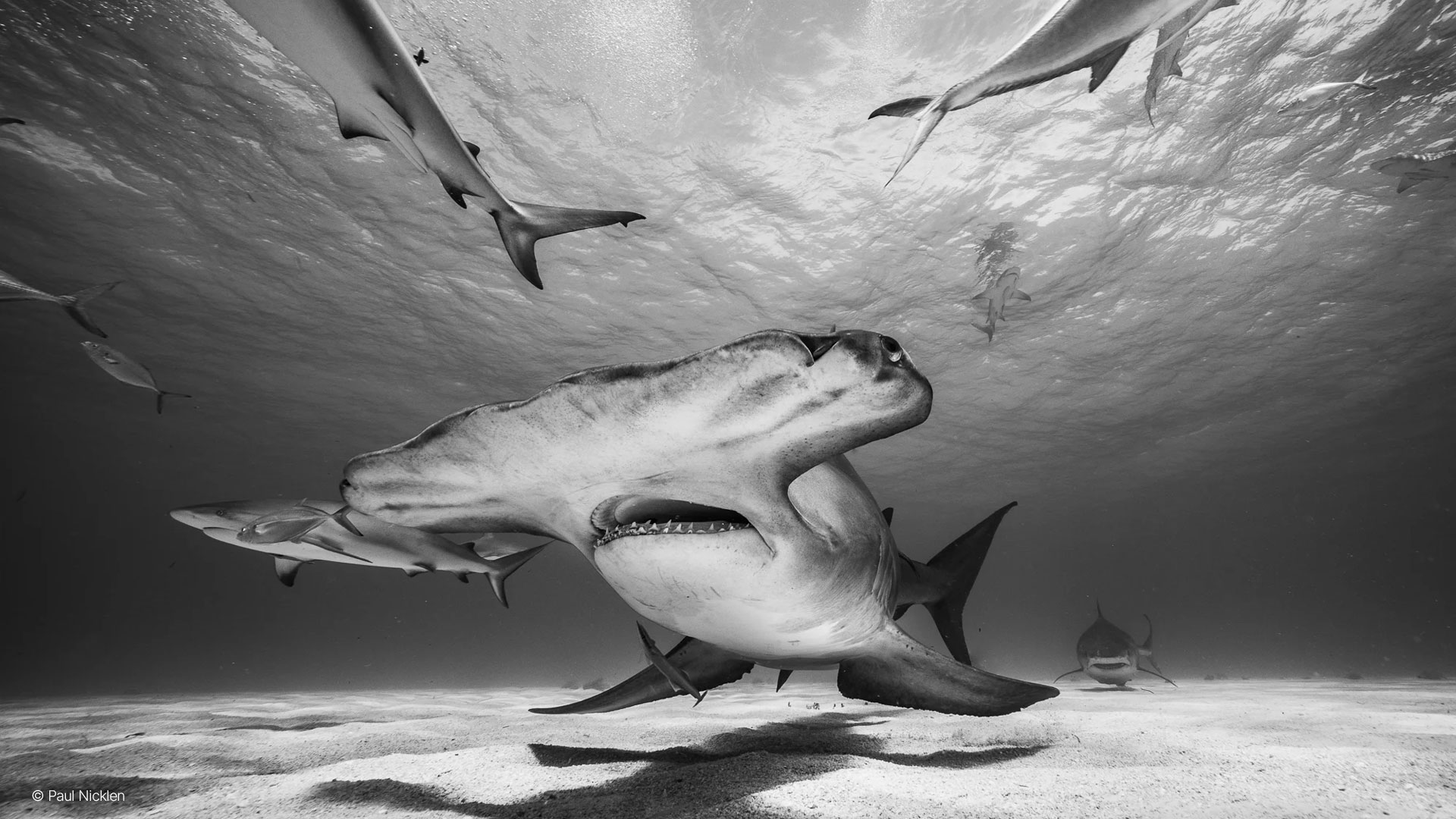
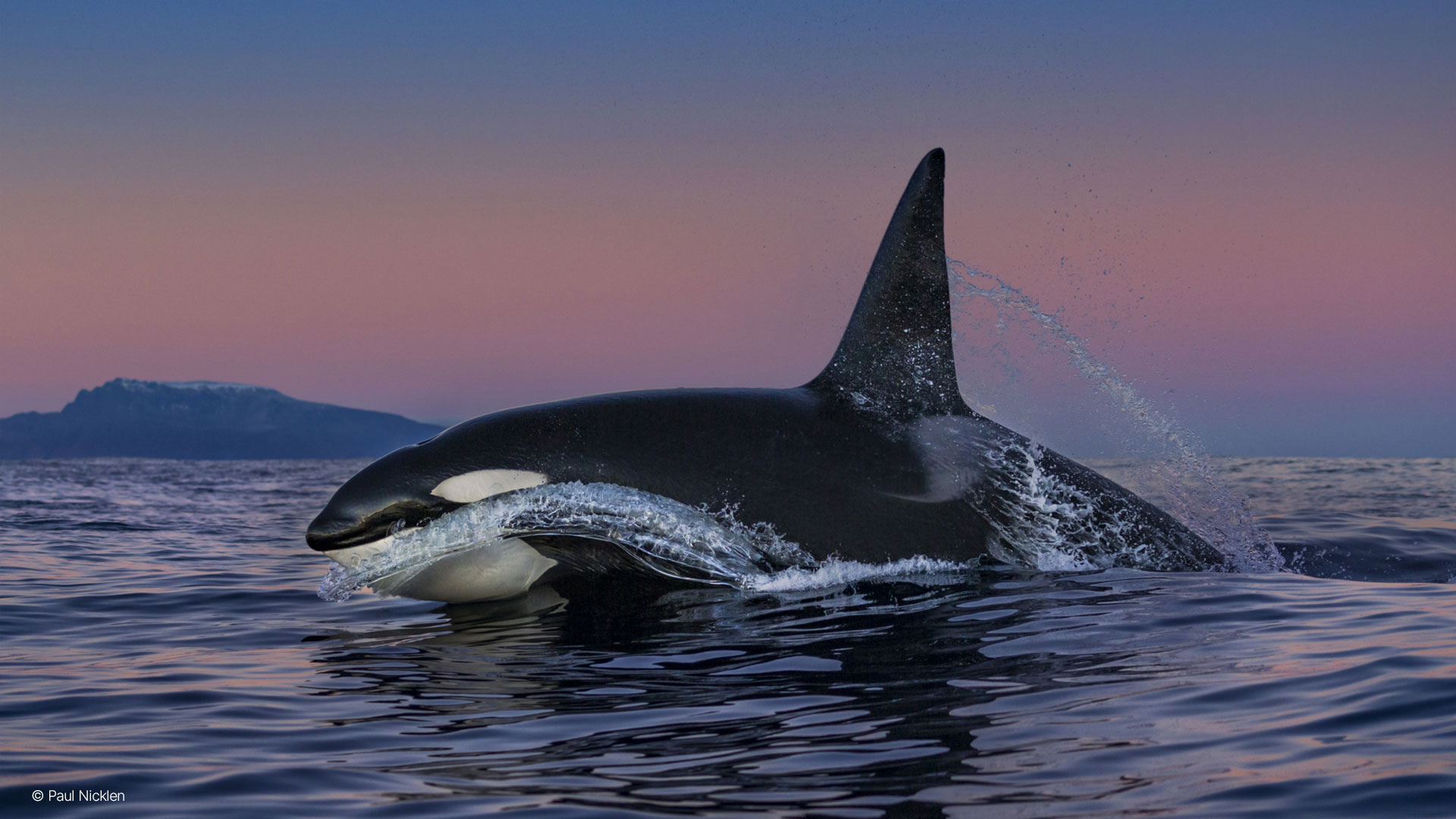
Many of Nicklen’s photographs have become iconic not only for their aesthetic composition but also for the incredible stories and risks behind each shot.

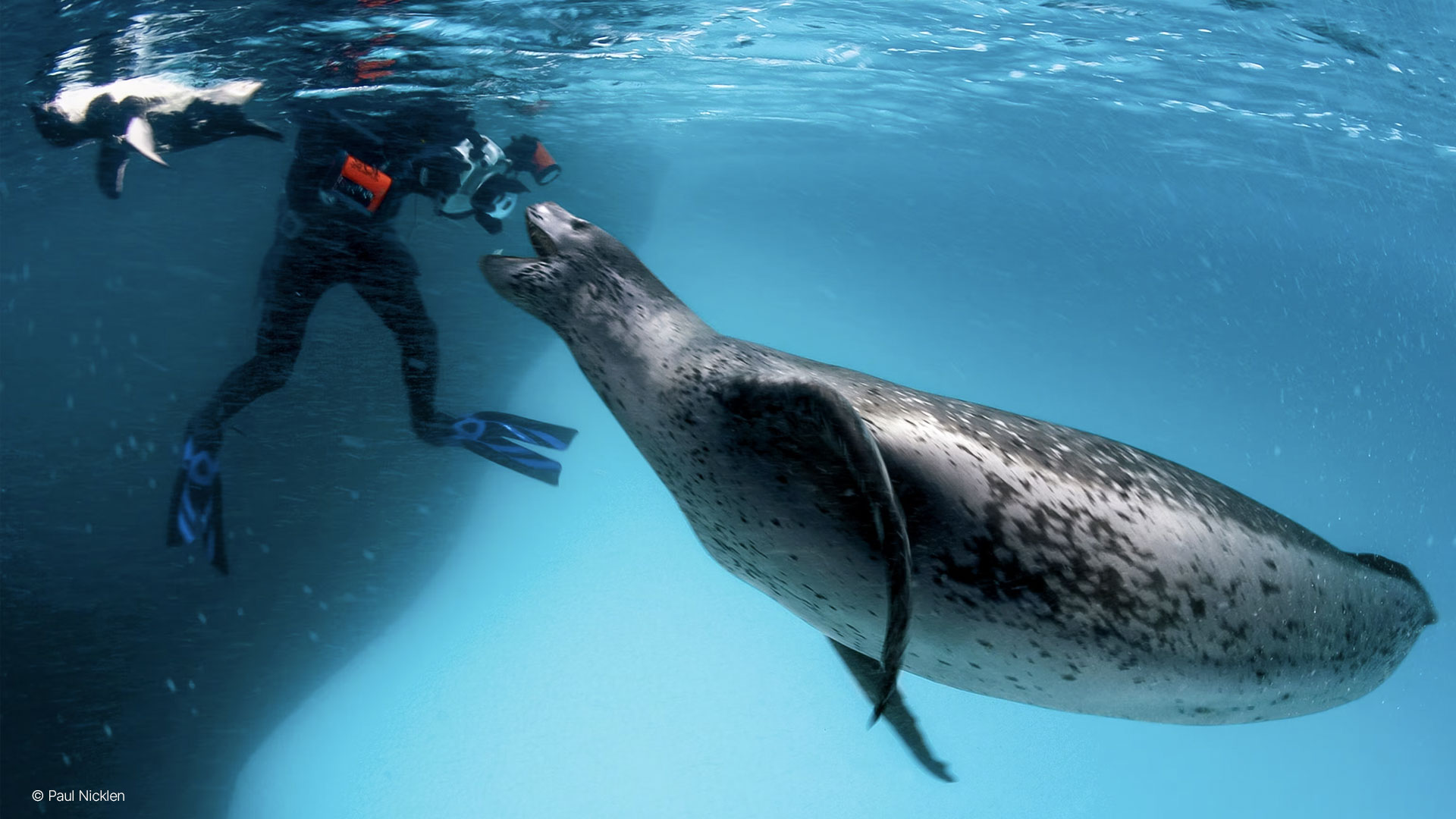
One of his most famous photo sequences features him interacting with a leopard seal in Antarctica.

Leopard seals are apex predators, notoriously aggressive and known to attack humans.

Immersed in the icy water and terrified, Nicklen prepared for the worst, but the unexpected happened. The female seal, holding a freshly caught penguin, brought it to the camera. Apparently interpreting Nicklen as an incompetent, malnourished predator, she began to “feed” him by offering penguins —first alive, then dead— in an attempt to teach him how to hunt.

“She fed me penguins for four days. It was as if she were saying, ‘You’re the most pathetic predator I’ve ever seen. Let me feed you.’”

This extraordinary anecdote highlights the vulnerability and intelligence of wildlife, qualities Nicklen strives to capture in every image.
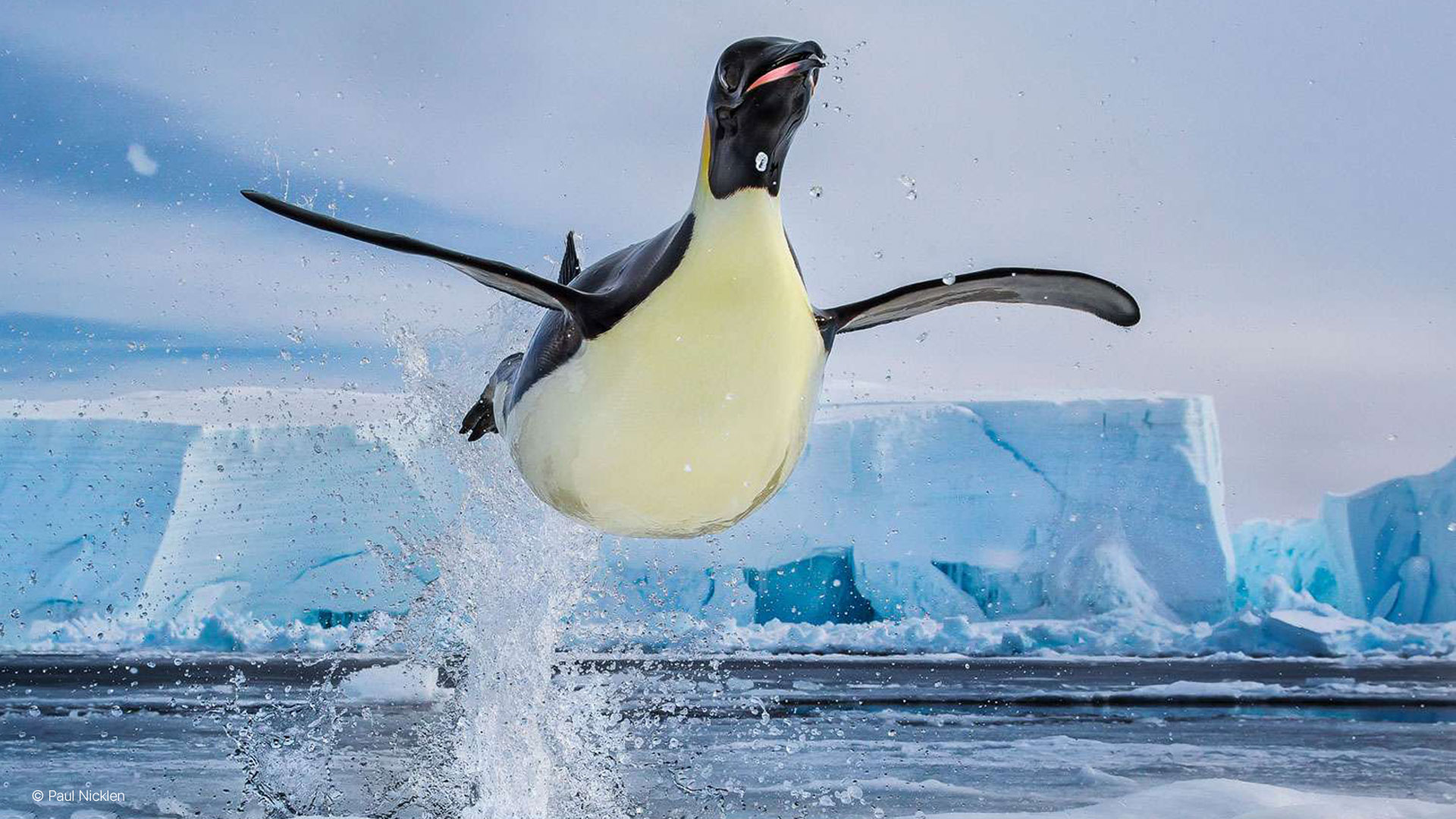
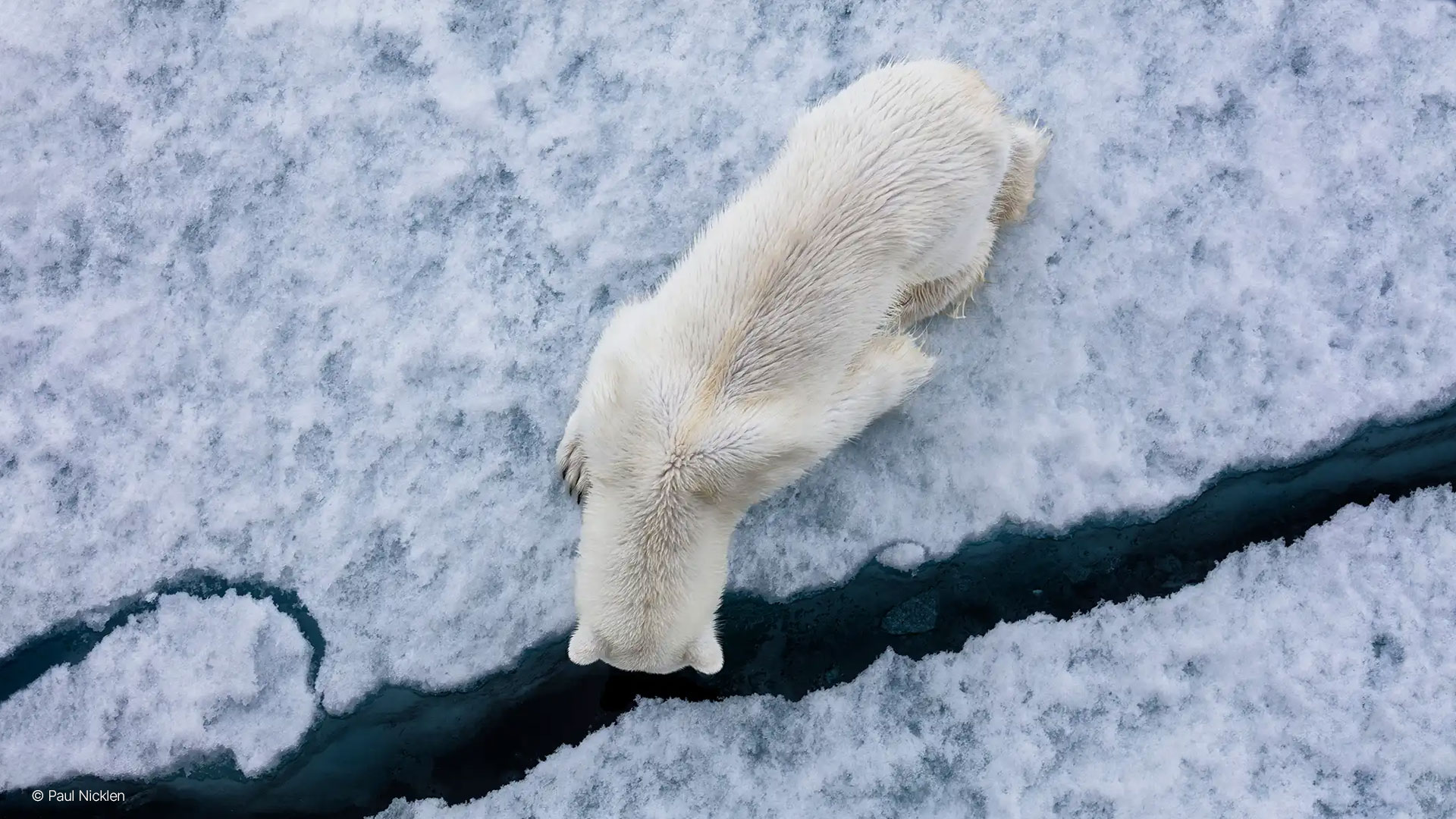
In 2017, Nicklen and his team documented a harrowing scene on Baffin Island: an emaciated polar bear struggling to move. Its suffering, caused by the absence of sea ice from which it hunts seals (its primary food source), was filmed and released by Nicklen.

Publishing those raw images was a difficult choice, but a necessary one. Nicklen explained that he wanted to show not just beauty, but also the direct suffering caused by human inaction:

“Science says polar bears are starving. We wanted people to see what starvation looks like. There was no gentle way to tell this story.”

Nicklen’s style combines the clarity and precision of high-end photojournalism with an almost artistic sensitivity to light and composition. His goal is to create a visual connection with his subjects, building an emotional bridge between humans and animals.

Through his work, Paul Nicklen doesn’t just show us what we are losing; he invites us to fall in love with the beauty that remains, inspiring us to fight to protect it before it’s too late.

Author: Reo Aromi

Photos by © Paul Nicklen