The lives of others.

by Reo Aromi

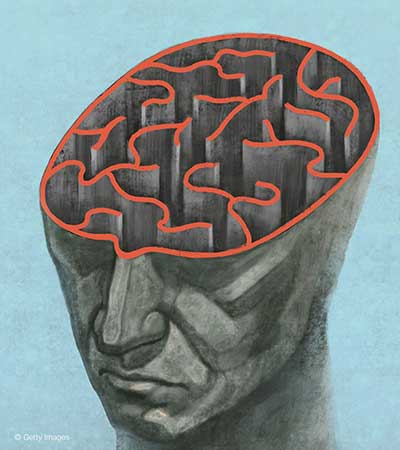
We live in a time where observing the lives of others has become almost second nature. We scroll through photos, listen to stories, peek at profiles, and sometimes feel we know people better than we know ourselves. But how much awareness is really in this looking? And what does our attention to others really tell us about who we are?

The Lives of Others isn’t just the title of an extraordinary film (Das Leben der Anderen, directed in 2006 by Florian Henckel von Donnersmarck); it’s also a powerful lens through which to look inward.

Set in East Germany during the 1980s, the film follows a Stasi officer assigned to spy on a playwright and his partner. At first, it seems like any other assignment: monitor, take notes, report. Nothing more. But gradually, as he listens to their conversations, their fears, their moments of intimacy and vulnerability, something begins to change. This man, trapped in a hollow, surveilled life, starts to perceive the strength of love, freedom, and truth reflected in others. In the end, stopping his surveillance becomes his highest form of awareness.

In one of the early scenes, we glimpse a subtle curiosity in the officer’s gestures, a curiosity that betrays his loneliness, his emotional emptiness, perhaps an unspoken need to feel something authentic. It’s a story that, in a different way, concerns all of us. Because, let’s face it, we live in a world where the temptation to “spy” is constant, not with hidden microphones, but with eyes and minds always turned outward.

We watch the lives of others and, often without realizing it, we measure ourselves against them. But instead of turning this gaze into an act of self-awareness, we end up using it as a tool for comparison, judgment, and, at times, performance anxiety.

Yet the point isn’t to stop looking. It’s to learn how to look.


When someone’s life sparks irritation, admiration, or melancholy in us, we can pause and ask: what is this showing me about myself? Perhaps we envy a freedom we don’t grant ourselves, or we’re irritated by a lightness we wish we could embody. But things aren’t always as they seem. Many people are masters at showing only part of themselves, the exterior, curated, “correct” version that seems real but isn’t. The truth, almost always, lies in the invisible part, the part left out of the frame.

The lives of others can seem fuller, happier, more perfect than our own. But the truth is, we really don’t know. Even if, like the officer in the film, we tried to spy on them more closely, always more closely, we still wouldn’t capture what they truly live. Because what matters is never fully visible.

Perhaps true growth lies here:
in transforming our gaze on others into a more mindful gaze on ourselves.


Author: Reo Aromi

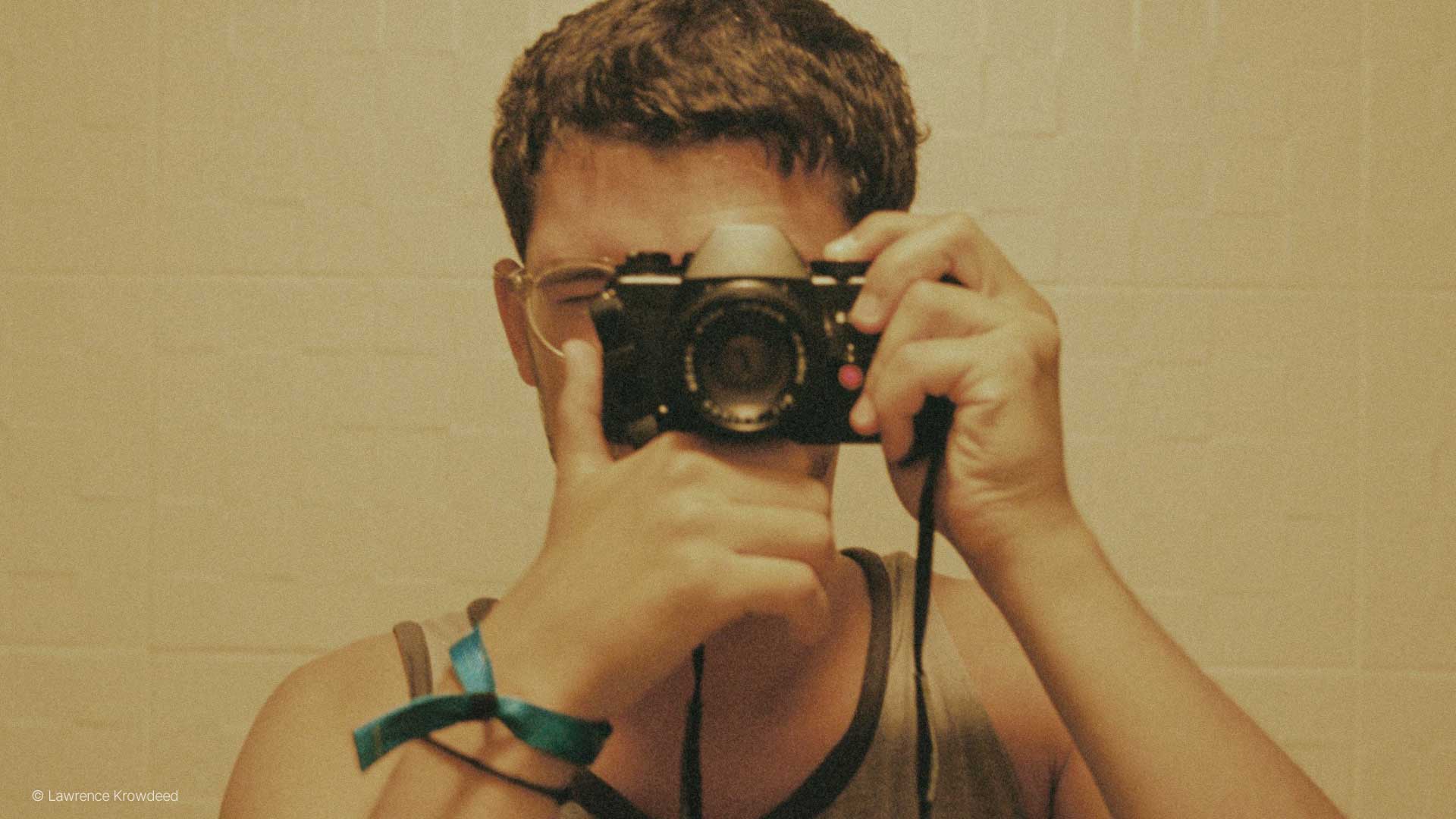
Photo © Lawrence Krowdeed | Nick Fancher